
يتطلب دخول صناعة المنسوجات التقنية تحقيق التوازن بين الاستثمار الرأسمالي الأولي الكبير ومرونة الإنتاج المستقبلية. لأصحاب المشاريع النسيج, بدء الإمدادات الطبية, ومصنعي التعبئة والتغليف, يعد العثور على نقاط دخول يمكن الوصول إليها في إنتاج النسيج أمرًا بالغ الأهمية لإدارة المخاطر المالية. الجواب المباشر هو نعم, هناك آلات غير منسوجة منخفضة التكلفة أو معيارية عالية الكفاءة للشركات الناشئة تسمح للشركات الجديدة ببدء الإنتاج برأس مال محدود مع الاحتفاظ بالقدرة على التوسع من خلال الترقيات الميكانيكية للتوصيل والتشغيل مع نمو الطلب في السوق. من خلال استخدام تكوينات شعاع واحد, عروض عمل أضيق, وتصميمات إطار قابلة للتكيف, يقدم صانعو المعدات الآن حلولاً للمبتدئين تعمل على تقليل الحواجز المالية التقليدية. طوال هذا الدليل الشامل, سنقوم بتحليل هذه الإعدادات المعيارية ونوضح كيف تحمي استراتيجية الآلات المحسوبة استثمارك في بدء التشغيل.
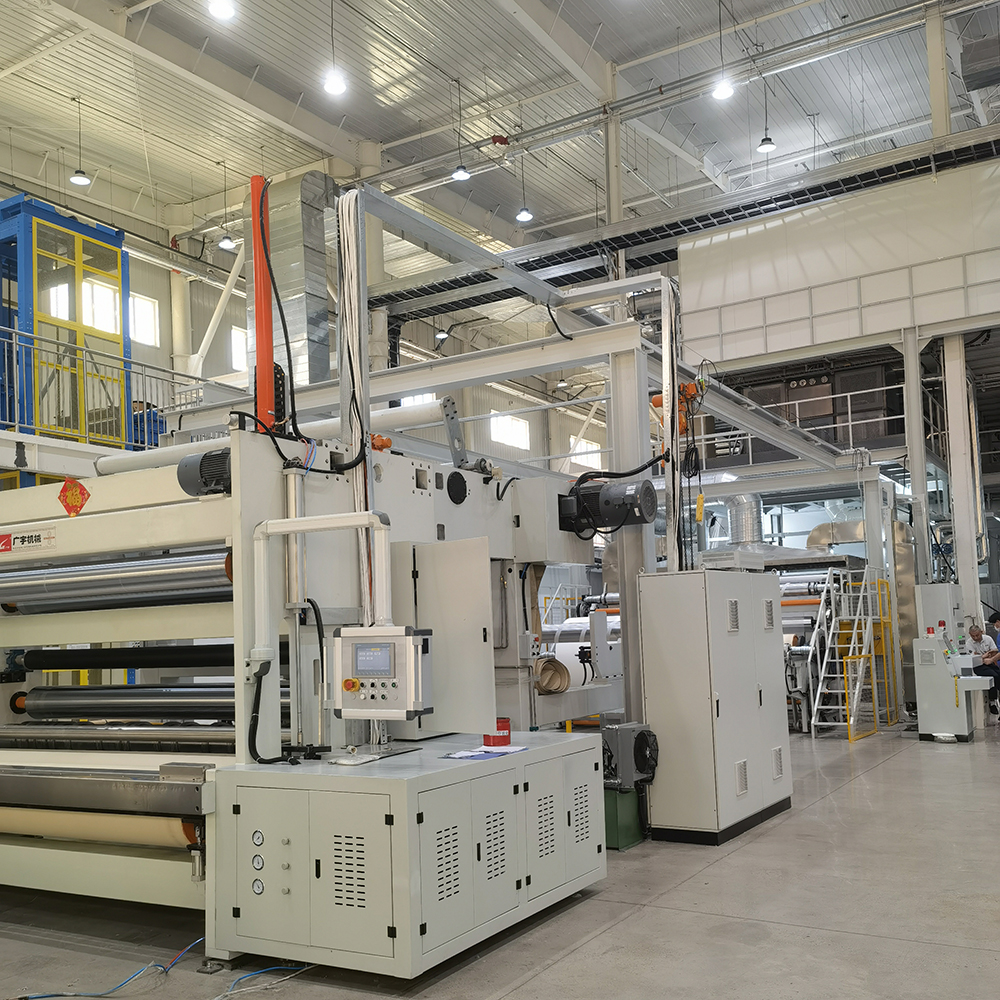
العوائق المالية والفنية أمام التصنيع غير المنسوج التقليدي
يتطلب إنشاء منشأة إنتاج صناعية غير منسوجة قياسية ميزانيات بملايين الدولارات ومساحات أرضية ضخمة للمصنع. تنتج الأنظمة متعددة الحزم واسعة النطاق كميات استثنائية, لكن حجمها المادي الهائل واستهلاكها العالي للطاقة يمكن أن يطغى على المشاريع الناشئة. إذا قامت الشركة الناشئة بشراء خط إنتاج كبير الحجم, غالبًا ما يعانون من ارتفاع النفقات التشغيلية وبطء العائد على الاستثمار خلال مرحلة اختبار السوق الأولية.
بالإضافة إلى, لا تسمح تخطيطات الآلات الصلبة التقليدية بإجراء تعديلات فنية سهلة. إذا تحولت اتجاهات السوق من مواد التعبئة والتغليف الأساسية إلى أقمشة الترشيح المتخصصة, تواجه الشركة الناشئة التي تتمسك بنظام غير قابل للتغيير قيودًا تشغيلية شديدة. لذلك, يركز مصممو المعدات الحديثة على إنشاء أجهزة مدمجة, أنظمة ميكانيكية قابلة للتكيف بدرجة عالية ومصممة خصيصًا لتناسب الحجم الدقيق ومتطلبات الميزانية للشركات الناشئة.
فك رموز العمارة المعيارية في التصنيع غير المنسوج
تعمل الآلات المعيارية وفقًا لفلسفة التصميم القائمة على المكونات والتي تقسم خط الإنتاج المستمر التقليدي إلى أقسام وظيفية مستقلة. يقوم المهندسون بتصميم تغذية المواد الخام الأولية, قذف, تشكيل الويب, وكتل الترابط الحراري للتفاعل بسلاسة عبر التوصيلات الميكانيكية الموحدة وبرامج التحكم الموحدة. يمنح هذا النهج المعماري الشركات الناشئة القدرة الفريدة على شراء عناصر المعدات الأساسية المطلوبة لإنتاج النسيج الأساسي فقط.
مع نمو إيراداتك وتوسع متطلبات العملاء, يمكن لفريقك الهندسي دمج وحدات معالجة إضافية دون إعادة بناء إطار الإنتاج الأساسي. على سبيل المثال, يمكنك إضافة أنظمة الحز المضمنة, وحدات طلاء المصب, أو مكونات إضافية متعددة الحزم مباشرة إلى الإطار الهيكلي الحالي. تعمل طريقة التوسع التدريجي هذه على تقليل التعرض المالي المبكر مع الحفاظ على خيارات التصنيع طويلة الأجل مفتوحة.
عمليات سحب فعالة من حيث التكلفة: قوة تكوينات Single-S
خطوط إنتاج Single-S لميزانيات المبتدئين
يمثل تكوين البثق الفردي S الأكثر سهولة في الوصول إليه, خيار عالي الأداء للشركات التي تبحث عن إعداد ماكينة أقمشة غير منسوجة فعالة من حيث التكلفة. يستخدم هذا التصميم الميكانيكي المحدد شعاعًا دوارًا واحدًا لبثق خيوط البولي بروبيلين المنصهرة مباشرة على حزام ناقل متحرك مكون من شبكة. على الرغم من أنها تنتج كميات إنتاجية أقل من الأنظمة الصناعية ذات الشعاع المزدوج أو الثلاثي, يوفر الخط الأحادي S تكاليف شراء أولية منخفضة وميكانيكا تشغيلية بسيطة بشكل ملحوظ.
نجحت الشركات الناشئة في نشر أنظمة إنتاج أحادية S لتصنيع السلع عالية الطلب مثل أكياس التسوق الصديقة للبيئة, الأغطية الزراعية القابل للتصرف, وبطانات المراتب الأساسية. يُترجم التعقيد الميكانيكي المنخفض مباشرةً إلى انخفاض استهلاك الطاقة وإجراءات الصيانة المباشرة, السماح لفرق العمليات الصغيرة بتشغيل المنشأة بكفاءة.
التقدم باستخدام تقنية سبونبوند الحديثة
عندما تخطط لتخطيط أرضية المصنع الخاص بك, يمنحك اختيار آلة صنع الأقمشة غير المنسوجة المصنوعة من مادة سبونبوند ميزة واضحة في قوة المواد وتوزيع الوزن الموحد. تقوم عملية تصنيع الخيوط المغزولة بسحب خيوط البوليمر المستمرة من خلال قنوات التوهين الهوائية عالية السرعة, إنتاج قوة شد استثنائية عبر الاتجاهين الأفقي والرأسي. تضمن متانة النسيج الفائقة أن تتمكن منتجاتك المبتدئة من التنافس بفعالية مع الشركات المصنعة للمنسوجات القديمة في الأسواق الإقليمية.
المواصفات الفنية لتكوينات آلات بدء التشغيل
لمساعدة فريق المشتريات الخاص بك في مقارنة خيارات الأصول المختلفة, يسلط الجدول أدناه الضوء على ملفات تعريف الأداء للتكوينات المعيارية الملائمة لبدء التشغيل مقابل الأنظمة الضخمة متعددة الحزم.
طاولة 1: ملفات تعريف الأداء لآلات بدء التشغيل المعيارية مقابل. أنظمة عالية السعة
| المعلمة الهندسية | نظام معياري للمبتدئين | نظام قابل للتطوير متوسط المدى | خط متعدد الشعاع عالي السعة |
| نطاق عرض العمل | 1.6 متر ل 2.4 متر | 2.4 متر ل 3.2 متر | 3.2 متر ل 4.2 متر |
| سرعة الإنتاج القصوى | 150 متر في الدقيقة | 300 متر في الدقيقة | 600+ متر في الدقيقة |
| نطاق وزن القماش | 10 ل 150 جرام لكل متر مربع. متر | 10 ل 200 جرام لكل متر مربع. متر | 8 ل 250 جرام لكل متر مربع. متر |
| رأس المال الأولي المطلوب | منخفضة إلى متوسطة | معتدلة إلى عالية | عالية جدًا |
| البصمة الجسدية | تخطيط مدمج | تخطيط الإطار القابل للتوسيع | منشأة مخصصة ضخمة |
إذا كنت ترغب في مراجعة المواصفات الأبعاد الكاملة والتخطيطات الميكانيكية, يمكنك استكشاف فئات الماكينات غير المنسوجة المصنوعة من مادة سبونبوند لمعرفة كيفية دمج الأنظمة المدمجة في مساحات المصنع الأصغر.
المزايا الإستراتيجية لتوريد خطوط الإنتاج المدمجة
النشر السريع والهندسة المدنية المبسطة
تتطلب خطوط النسيج الصناعية الضخمة أسابيع من التجميع المعقد في الموقع, أسس هيكلية مخصصة, وترقيات متخصصة لشبكة الجهد العالي. في المقابل, تتميز الأنظمة المعيارية للمبتدئين بأحزمة كهربائية مسبقة التوصيل وصغيرة الحجم, إطارات فولاذية موحدة يتم تجميعها بسرعة. تعمل عملية التثبيت المبسطة هذه على تقصير الجدول الزمني لمشروعك, السماح لشركتك الناشئة بالبدء في تحقيق مبيعات المنتجات قبل أسابيع من الموعد المحدد.
تقليل هدر المواد وتقليل النفقات العامة للطاقة
تشغيل نظام ذو سعة كبيرة للصغار, تؤدي طلبات العملاء المخصصة إلى حدوث هدر كبير للمواد أثناء تغييرات الإنتاج. تتفوق الآلات المعيارية المدمجة في المرونة على المدى القصير, مما يسمح للمشغلين بضبط ألوان القماش أو الأوزان الأساسية مع الحد الأدنى من خسائر تطهير البوليمر. بالإضافة إلى, تتطلب أنظمة البثق الأصغر طاقة تسخين أقل بكثير, مما يجعل فواتير الخدمات الشهرية الخاصة بك قابلة للإدارة خلال مرحلة التشغيل الأولية.
لتلقي مقترح مشروع مفصل أو لمناقشة التكوينات المعيارية المخصصة مع مهندس معدات ذي خبرة, يرجى الاتصال بنا.
الأسئلة المتداولة
يمكن ترقية الخط غير المنسوج المعياري لإنتاج أقمشة SMS لاحقًا?
نعم, إذا قمت بتحديد تصميم إطار قابل للتكيف في البداية, يمكنك تثبيت وحدات بثق مذابة مستقلة بين أو بعد عوارض spunbond الموجودة لديك. يتيح ذلك لشركتك الانتقال من تصنيع مواد التعبئة والتغليف البسيطة إلى إنتاج أقمشة طبية عالية القيمة عندما يسمح رأس مالك بذلك.
ما هو الحد الأدنى لارتفاع سقف المصنع المطلوب لبدء تشغيل الجهاز?
تتطلب أنظمة spunbond القياسية للمبتدئين حدًا أدنى من الخلوص الرأسي تقريبًا 6.5 ل 8 متر لاستيعاب أبراج التبريد والتخميد بالهواء البوليمر. يجب عليك التحقق من تصاريح الارتفاع المحددة هذه مع مورد الآلات الخاص بك قبل التوقيع على اتفاقية إيجار المستودع.
كم عدد المشغلين الذين يتطلبهم الخط غير المنسوج للمبتدئين في كل وردية عمل؟?
عادةً ما يتطلب خط الإنتاج المعياري الآلي للغاية فقط 2 ل 3 المشغلين المدربين لكل نوبة. يقوم أحد الفنيين بمراقبة التغذية الآلية للمواد الخام ووحدة التحكم الرئيسية PLC, بينما يقوم أعضاء الفريق الآخرون بإدارة اللف المصب, الحز, ومحطات تعبئة المنتجات.
قم بتسريع دخولك إلى السوق مع Guanlong
يتطلب إطلاق مشروع نسيج تقني ناجح آلات عالية الدقة تتوافق مع حدودك المالية الحالية مع حماية إمكانات النمو المستقبلية الخاصة بك. تقوم شركة Guanlong بتصميم وتصنيع أنظمة إنتاج غير منسوجة معيارية متقدمة مصممة خصيصًا لتحقيق الموثوقية العالية, كفاءة الطاقة, ومرونة قابلة للتطوير. تتيح تقنيات البثق الحديثة وأطر التحكم البديهية لدينا للشركات الناشئة تقديم أقمشة عالية الجودة تلبي معايير الجودة العالمية الصارمة. من خلال الجمع بين الهندسة القوية والدعم الفني المخصص وخيارات التهيئة ذات الأسعار المعقولة, تعمل Guanlong على تمكين المؤسسات الجديدة من تقليل المخاطر التشغيلية وزيادة الإنتاج بسلاسة مع تضاعف فرص السوق.
مراجع
- الرابطة الأوروبية للمستهلكات والأقمشة غير المنسوجة (شرب) إحصائيات الصناعة: https://www.edana.org/
- لمحات عامة عن قطاع النسيج الفني – رابطة صناعة الأقمشة غير المنسوجة: https://www.inda.org/