
يعتمد اختيار السعة المناسبة لخط إنتاج الأقمشة غير المنسوجة على احتياجاتك الطلب في السوق المستهدف, نوع المنتج, ميزانية, فضاء, وخطط قابلية التوسع. بعبارات بسيطة, يجب عليك تحديد سعة تلبي حجم طلبك الحالي مع ترك مجال للنمو. على سبيل المثال, قد يكون الخط المصمم لـ 50-100 طن شهريًا مثاليًا لبدء توريد الأقمشة غير المنسوجة الخفيفة, في حين أن المؤسسات المتوسطة والكبيرة التي تستهدف القطاعات الطبية أو النظافة قد تهدف إلى إنتاج 200-500 طن شهريًا أو أكثر. في الأقسام أدناه, سنستكشف كيفية تحديد السعة المناسبة بناءً على أنواع الإنتاج, قطاعات السوق, التكاليف التشغيلية, ومقارنات الحالة العملية.
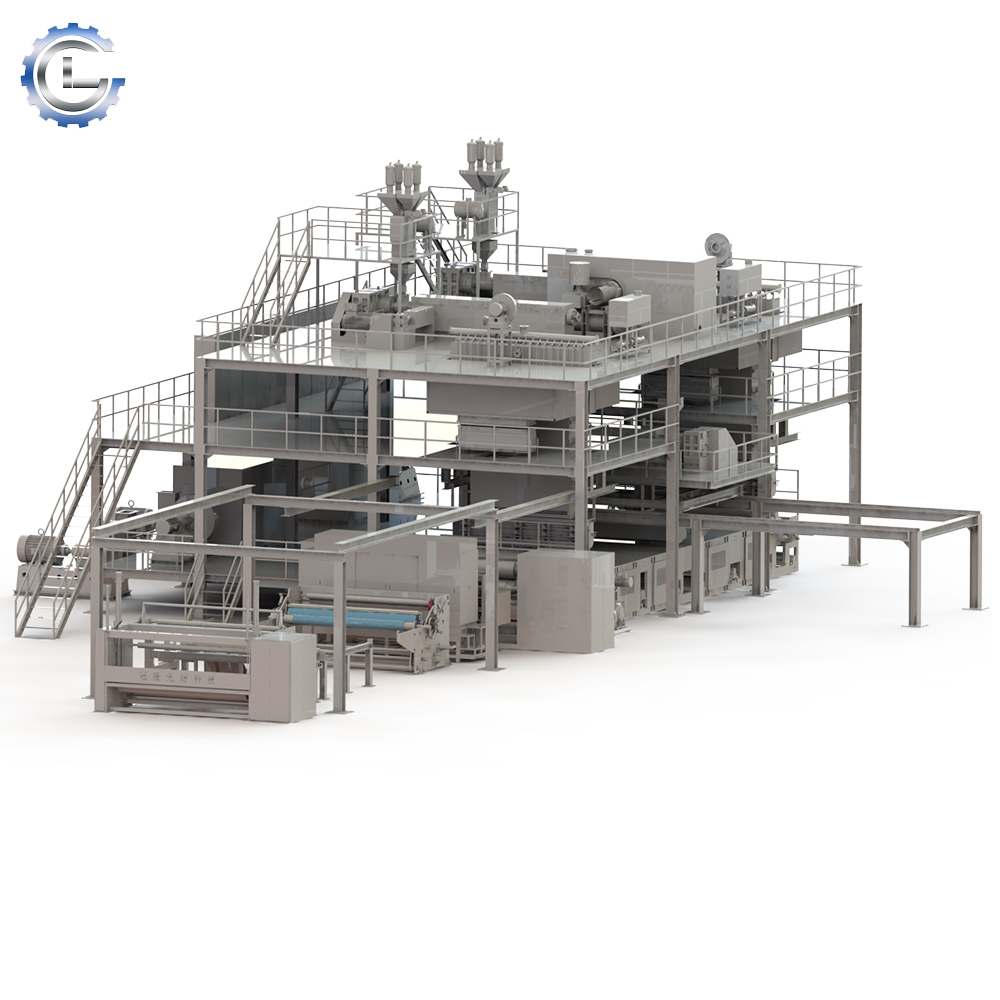
فهم القدرة الإنتاجية في مجال التصنيع غير المنسوج
تشير "السعة" في خط إنتاج الأقمشة غير المنسوجة إلى كمية القماش النهائي التي يمكن للخط إنتاجها لكل وحدة زمنية, عادة ما يتم التعبير عنها في كجم/ساعة, طن شهريا, أو متر مربع يوميا.
ما الذي يحدد القدرة
تتأثر القدرة:
- سرعة الخط (متر/دقيقة)
- عرض النسيج (600-3200+ ملم)
- تكنولوجيا العملية (سبونبوند, Meltblown, نسج, إلخ.)
- عدد ونوع وحدات الإنتاج (طبقة واحدة مقابل طبقة متعددة)
تحدد هذه العوامل مجتمعة مقدار مخرجاتك آلة النسيج غير المنسوج يمكن أن تقدم في ظل الظروف المثلى.
لماذا تعتبر القدرات مهمة؟
يؤدي اختيار سعة غير صحيحة إلى قلة استخدام الموارد أو الإفراط في توسيعها. قد تجبرك قلة القدرة على رفض الطلبات أو التنازل عن أوقات التسليم. يمكن أن تؤدي الطاقة الفائضة إلى تضخيم تكاليف التشغيل دون تحقيق مكاسب مقابلة في الإيرادات.
مطابقة القدرة مع نوع المنتج وطلب السوق
تتمتع فئات المنتجات المختلفة بمتطلبات سعة مختلفة بناءً على استخدام المواد, تسعير السوق, والتطبيق.
خفيفة الوزن مقابل. منسوجات ثقيلة الوزن
منسوجات خفيفة الوزن (على سبيل المثال, الرسائل القصيرة لمنتجات النظافة) تستهلك كمية أقل من البوليمر لكل متر مربع ويمكن إنتاجها عند سرعات أعلى ولكن مع حساسية أكبر لقضايا الجودة المتعلقة بالسرعة. منسوجات ثقيلة الوزن (على سبيل المثال, التكسية الأرضية, الترشيح) تتطلب المزيد من المواد وسرعات خط أبطأ, التأثير على الإنتاجية.
خيارات السعة المستندة إلى التطبيق
- المنتجات الطبية والنظافة: ارتفاع الطلب, رقابة صارمة على الجودة → خطوط ذات سعة متوسطة إلى عالية في كثير من الأحيان
- وسائط الترشيح والأقمشة الصناعية: كثافة المواد العالية → سرعة خط متواضعة ولكن إنتاجية أعلى للمواد
- السلع الاستهلاكية والتغليف: احتياجات قدرة معتدلة مع جداول إنتاج مرنة
تقييم الخاص بك تطبيق الهدف قبل اختيار حجم الخط.
المقاييس الرئيسية لاختيار سعة الخط
اختيار القدرة ليس تعسفيا. هناك العديد من المقاييس الفنية والتجارية التي يجب أن توجه قرارك.
توقع الطلب وتحليل السوق
قم بتقدير حجم مبيعاتك في السنة الأولى بناءً على أبحاث السوق. القاعدة الأساسية الجيدة هي التصميم من أجل 20– 30% فوق الطلب المتوقع, السماح للطلبات غير المتوقعة أو القمم الموسمية.
المساحة الأرضية والبنية التحتية
تشغل الخطوط ذات السعة العالية مساحة فعلية أكبر وتتطلب أدوات مساعدة قوية (قوة, هواء, أنظمة التبريد, تخزين المواد الخام). تأكد من أن البنية التحتية لمنشأتك يمكنها دعم السعة المخططة.
توازن التكلفة والمنفعة
الخطوط الأكبر لها تكاليف رأسمالية أعلى ولكن تكاليف تصنيع الوحدة أقل. الخطوط الأصغر لها تكاليف أولية أقل ولكن قد تكون لها نفقات أعلى لكل وحدة. أداء أ تحليل التكلفة لكل كيلوجرام عند مقارنة الخيارات.
قابلية التوسع في المستقبل
اختر تكوينًا معياريًا أو قابلاً للتوسيع إذا كنت تتوقع النمو. تسمح لك بعض الشركات المصنعة بالبدء بالتكوين الأساسي ثم ترقية الوحدات الرئيسية لاحقًا لزيادة السعة.
أمثلة على السيناريوهات وتوصيات القدرات
فيما يلي نماذج لنطاقات السعة وتطبيقاتها النموذجية لمساعدتك في تصور الاختيارات.
طاولة: توصيات وتطبيقات السعة النموذجية
| نطاق السعة | تطبيق نموذجي | ملف الإنتاج |
|---|---|---|
| 50-100طن/شهر | الأسواق المتخصصة, الأقمشة الخفيفة | انخفاض الاستثمار, أشواط مرنة |
| 100-200طن/شهر | منتجات النظافة, السلع الاستهلاكية | سرعة متوازنة والإخراج |
| 200–400 طن/شهر | الرسائل القصيرة الطبية, وسائل الإعلام الصناعية | إنتاجية أعلى, أوامر أكبر |
| 400 ر / مو + | إمدادات صناعية أو ذات علامات تجارية كبيرة الحجم | نفقات الإنتاج الكبيرة |
اختيار النطاق الصحيح يساعد على التوازن مخاطر الاستثمار, استجابة السوق, والتكاليف التشغيلية.
اعتبارات عملية: التكنولوجيا ونوع الآلة
يؤثر اختيار التكنولوجيا المناسبة على القدرة وأداء المنتج.
سبونبوند مقابل. ميلتبلون مقابل. خطوط سبونميلت
- سبونبوند: شبكات قوية, سرعة أعلى في كثير من الأحيان
- ميلتبلون: ألياف أدق, في كثير من الأحيان أبطأ ومتخصصة
- سبونميلت (الرسائل القصيرة / الرسائل القصيرة): يجمع بين spunbond و Meltblown من أجل القوة + الترشيح
يؤدي تحديد التكنولوجيا إلى مواءمة قرار السعة الخاص بك مع وظيفة المنتج واحتياجات السوق.
تكوين الخط
تركز الخطوط أحادية الطبقة على نوع مادة واحد وعادةً ما تعمل على تحسين السعة في هذا المجال. خطوط متعددة الطبقات (على سبيل المثال, رسالة قصيرة) توازن خصائص المواد المتنوعة ولكن قد يكون لها إنتاجية فعالة أقل قليلاً بسبب التعقيد.
عند تقييم التكوينات, النظر في كيفية التغييرات في يؤثر هيكل النسيج على أسعار السوق والطلب.
الآثار المالية والتشغيلية لاختيار القدرات
إن قرار السعة الخاص بك له آثار مباشرة على هياكل التكلفة والكفاءة التشغيلية.
النفقات الرأسمالية (النفقات الرأسمالية)
تتطلب خطوط السعة الأعلى المزيد من الاستثمار فيها:
- أنظمة البثق
- يموت وأفران أكبر
- أنظمة أوسع للتعامل مع الويب
- أتمتة محسنة
ميزانية التثبيت, التكليف, والتدريب كذلك.
النفقات التشغيلية (النفقات التشغيلية)
مقياس تكاليف التشغيل مع:
- استهلاك الطاقة
- استخدام البوليمر
- تَعَب
- صيانة
غالبًا ما تقلل السعة الأعلى التكلفة لكل وحدة, ولكن تأكد من أن الطلب الخاص بك يدعم الحجم.
عوائد الاستثمار
تقدير فترة الاسترداد من خلال مقارنة التكاليف المخفضة لكل وحدة مع الإيرادات المتوقعة. قد تكون فترات الاسترداد الأطول مقبولة بالنسبة للاستراتيجية, التزامات طويلة الأجل.
الصيانة وتحسين الكفاءة
تضمن الصيانة المناسبة القدرة والجودة المتسقة. يعتبر:
- التوقف المقرر للتنظيف والمحاذاة
- المعايرة المنتظمة لأجهزة الاستشعار وضوابط التوتر
- اتساق تغذية البوليمر
يعمل التحسين التشغيلي على زيادة وقت تشغيل الخط إلى الحد الأقصى بغض النظر عن السعة.
للحصول على إرشادات شخصية حول اختيار خط الإنتاج المناسب, قد ترغب في ذلك تواصل مع فريق المبيعات والهندسة لدينا لمناقشة متطلباتك.
اختيار الشركة المصنعة والدعم المناسبين
إن اختيار مورد حسن السمعة يضمن الوصول إلى الخبرة الفنية, قطع الغيار في الوقت المناسب, ودعم ما بعد البيع.
ابحث عن البائعين الذين لديهم سجل حافل في مجال الآلات غير المنسوجة, مثل آلة صنع القماش التكامل وحافظات المنتجات المتنوعة. ضع في اعتبارك أيضًا الموردين الذين يقدمون مجموعة من آلة النسيج غير المنسوج خيارات لتتناسب مع احتياجات القدرات المتطورة.
الأسئلة المتداولة
ما هي وحدة السعة النموذجية للخطوط غير المنسوجة?
يمكن التعبير عن السعة بالكيلو جرام / الساعة, طن/شهر, أو متر مربع/يوم. اختر الوحدة التي تتوافق مع توقعات المبيعات وتخطيط المخزون.
هل يمكنني ترقية خط غير منسوج لاحقًا?
نعم, تقدم العديد من الشركات المصنعة ترقيات معيارية, مثل الحزم الأوسع, رؤوس بثق إضافية, أو تحسينات الأتمتة.
كيف تؤثر أنواع المنتجات على قرارات السعة?
يؤثر نوع المنتج على تكوين الخط وسرعته. خفيف الوزن, تختلف الأقمشة عالية السرعة عن الوسائط الصناعية الكثيفة من حيث الإنتاجية وقيود الجودة.
هل من الأفضل أن نبدأ بقدرة أصغر؟?
تعمل القدرات الأصغر على تقليل مخاطر الاستثمار الأولية, ولكن قد تفوت كفاءة التكلفة بكميات أكبر. تحقيق التوازن بين رأس المال الأولي والنمو المتوقع.
حول قوان لونغ
تعتبر Guanlong مزودًا موثوقًا به لحلول إنتاج الأقمشة غير المنسوجة, تقديم الآلات المتقدمة, تكوينات خط قابلة للتطوير, والدعم الفني المخصص لأهداف الإنتاج الخاصة بك. تساعد خبرتنا العلامات التجارية والمصنعين على اختيار سعة الخط المناسبة, تحسين الأداء, والحفاظ على كفاءة العمليات في الأسواق التنافسية.
مراجع
ويكيبيديا. قماش غير منسوج. https://en.wikipedia.org/wiki/Nonwoven_fabric
الرابطة الدولية للأقمشة غير المنسوجة والمستهلكات (أينما). نظرة عامة على صناعة الأقمشة غير المنسوجة.
Fiber2Fashion. فهم الآلات والعمليات غير المنسوجة.