
মেডিকেল ননওয়েভেনগুলির জন্য একটি SSMMS বা SMS লাইনের মধ্যে নির্বাচন করা বিভ্রান্তিকর হতে পারে, বিশেষ করে অ বোনা উৎপাদন শিল্পে নতুন প্রবেশকারীদের জন্য. উত্তর সারিবদ্ধ সঙ্গে শুরু হয় পণ্য কর্মক্ষমতা প্রয়োজনীয়তা, নিয়ন্ত্রক মান, এবং আউটপুট প্রত্যাশা প্রতিটি লাইনের প্রযুক্তিগত ক্ষমতা সহ. সারমর্মে, আপনার উপর ভিত্তি করে একটি SSMMS বা SMS লাইন নির্বাচন করা উচিত ফ্যাব্রিক শেষ ব্যবহার (যেমন, সার্জিক্যাল গাউন বনাম. বিচ্ছিন্নতা মাস্ক), বাধা এবং পরিস্রাবণ কর্মক্ষমতা, উৎপাদন খরচ লক্ষ্যমাত্রা, এবং মাপযোগ্যতা. এই নিবন্ধের পরবর্তী অংশগুলি ব্যবহারিক উদাহরণ প্রদান করে, শিল্প তুলনা, এবং B2B ক্রেতাদের সঠিক পছন্দ করতে সাহায্য করার জন্য সিদ্ধান্ত গ্রহণের সরঞ্জাম.
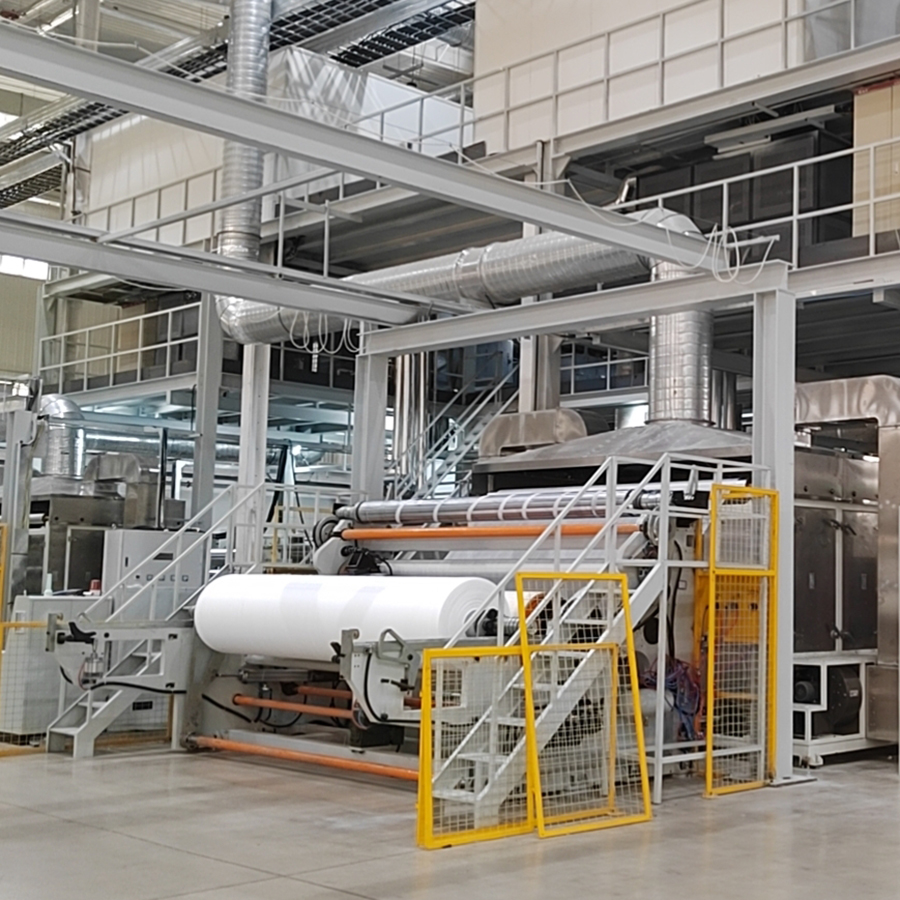
SSMMS এবং SMS Nonwoven লাইন কি কি??
মেডিকেল ননবোভেন কাপড় সাধারণত মাল্টি-লেয়ার স্পুনবন্ড এবং মেল্টব্লোন প্রসেস ব্যবহার করে তৈরি করা হয়. সবচেয়ে সাধারণ কনফিগারেশন দুটি হয় এসএসএমএমএস (স্পুনবন্ড-স্পুনবন্ড-মেল্টব্লাউন-মেল্টব্লাউন-স্পুনবন্ড) এবং এসএমএস (স্পুনবন্ড-মেল্টব্লাউন-স্পুনবন্ড).
SSMMS লাইন
SSMMS দুটি গলিত স্তরের সাথে একাধিক স্পুনবন্ড স্তরকে একত্রিত করে, প্রস্তাব বর্ধিত শক্তি এবং বাধা বৈশিষ্ট্য. এটি চিকিৎসা পণ্যের জন্য বিশেষভাবে উপযুক্ত যা প্রয়োজন যান্ত্রিক শক্তি এবং সূক্ষ্ম কণা পরিস্রাবণ উভয়, যেমন সার্জিক্যাল গাউন এবং ড্রেপস.
এসএমএস লাইন
একটি এসএমএস কনফিগারেশন দুটি স্পুনবন্ড স্তরের মধ্যে একটি গলিত স্তর রাখে. এটি প্রদান করে পর্যাপ্ত শক্তি সঙ্গে চমৎকার পরিস্রাবণ, এটিকে আইসোলেশন গাউন এবং নির্দিষ্ট ধরণের প্রতিরক্ষামূলক পোশাকের মতো পণ্যগুলির জন্য উপযুক্ত করে তোলে.
এই কনফিগারেশনগুলির মধ্যে পছন্দের উপর ভিত্তি করে হওয়া উচিত কর্মক্ষমতা স্পেসিফিকেশন, নিয়ন্ত্রক প্রয়োজনীয়তা, এবং খরচ বিবেচনা.
সঠিক লাইন নির্বাচনের মূল বিষয়
একটি উত্পাদন লাইন নির্বাচন করা একাধিক প্রযুক্তিগত এবং বাণিজ্যিক ভেরিয়েবলের মূল্যায়ন জড়িত. নীচে বিবেচনা করার জন্য প্রাথমিক কারণগুলি রয়েছে৷.
1. শেষ-ব্যবহারের প্রয়োজনীয়তা
বিভিন্ন চিকিৎসা পণ্য বিভিন্ন কর্মক্ষমতা বৈশিষ্ট্য চাহিদা:
- সার্জিক্যাল গাউন এবং ড্রেপস - উচ্চ বাধা সুরক্ষা এবং শক্তি প্রয়োজন.
- আইসোলেশন গাউন এবং কভারঅল - ভাল পরিস্রাবণ এবং যুক্তিসঙ্গত স্থায়িত্ব প্রয়োজন.
- নন-মেডিকেল পিপিই - সর্বোচ্চ বাধা কর্মক্ষমতা উপর খরচ দক্ষতা অগ্রাধিকার দিতে পারে.
একটি SSMMS লাইনের জন্য অনুকূল হতে থাকে উচ্চ বাধা এবং শক্তি অ্যাপ্লিকেশন, যখন একটি এসএমএস লাইন প্রতিযোগিতামূলক কর্মক্ষমতা সহ প্রতিরক্ষামূলক পোশাকের বিস্তৃত পরিসর পরিবেশন করতে পারে.
2. পরিস্রাবণ এবং বাধা কর্মক্ষমতা
গলে যাওয়া স্তরগুলি তাদের সূক্ষ্ম ফাইবারের ব্যাস এবং উচ্চ পৃষ্ঠের ক্ষেত্রফলের কারণে পরিস্রাবণ কার্যক্ষমতার জন্য দায়ী. যোগ করা হচ্ছে একাধিক গলিত স্তর (SSMMS এর মত) সাধারণত পরিস্রাবণ দক্ষতা বৃদ্ধি করে, যা প্রায়ই চিকিৎসা ব্যবস্থায় গুরুত্বপূর্ণ.
3. উৎপাদন থ্রুপুট এবং স্কেলেবিলিটি
আপনার পছন্দ বর্তমান ক্ষমতা চাহিদা এবং ভবিষ্যতে বৃদ্ধি প্রতিফলিত করা উচিত:
- এসএমএস লাইন কিছু ডিজাইনে ক্রমবর্ধমানভাবে স্কেল করা যেতে পারে.
- SSMMS লাইন প্রায়ই বড় প্রাথমিক মূলধন প্রয়োজন কিন্তু বিতরণ উচ্চ কর্মক্ষমতা ফ্যাব্রিক স্কেলে.
লাইন তুলনা করার সময়, উত্পাদন গতি বিবেচনা করুন (মি/মিনিট), রক্ষণাবেক্ষণের প্রয়োজনীয়তা, এবং শক্তি খরচ.
4. খরচ এবং বিনিয়োগের রিটার্ন
কর্মক্ষমতা যখন সমালোচনামূলক, খরচ-কার্যকারিতা উপেক্ষা করা যাবে না. অতিরিক্ত গলে যাওয়া ক্ষমতা এবং জটিলতার কারণে SSMMS লাইনের দাম বেশি হতে পারে. একটি বিস্তারিত জীবনচক্র খরচ বিশ্লেষণ (মূলধন বিনিয়োগ, ভোগ্যপণ্য, রক্ষণাবেক্ষণ, এবং শক্তি) কমিট করার আগে সঞ্চালিত করা উচিত.
SSMMS বনাম তুলনা. এসএমএস মেডিকেল লাইন
পার্থক্য স্পষ্ট করতে সাহায্য করার জন্য নীচে একটি তুলনামূলক সারাংশ দেওয়া হল:
| বৈশিষ্ট্য | SSMMS লাইন | এসএমএস লাইন |
|---|---|---|
| গলে যাওয়া স্তর | দুই (দ্বিগুণ) | এক |
| শক্তি | খুব উচ্চ | উচ্চ |
| পরিস্রাবণ দক্ষতা | খুব উচ্চ | উচ্চ |
| অ্যাপ্লিকেশন উপযুক্ততা | অস্ত্রোপচার, বাধা গাউন | আইসোলেশন গাউন, পিপিই |
| খরচ | উচ্চতর | পরিমিত |
| আউটপুট জটিলতা | আরও জটিল | কম জটিল |
মেডিকেল ননবোভেন উৎপাদনের মূল উপাদান
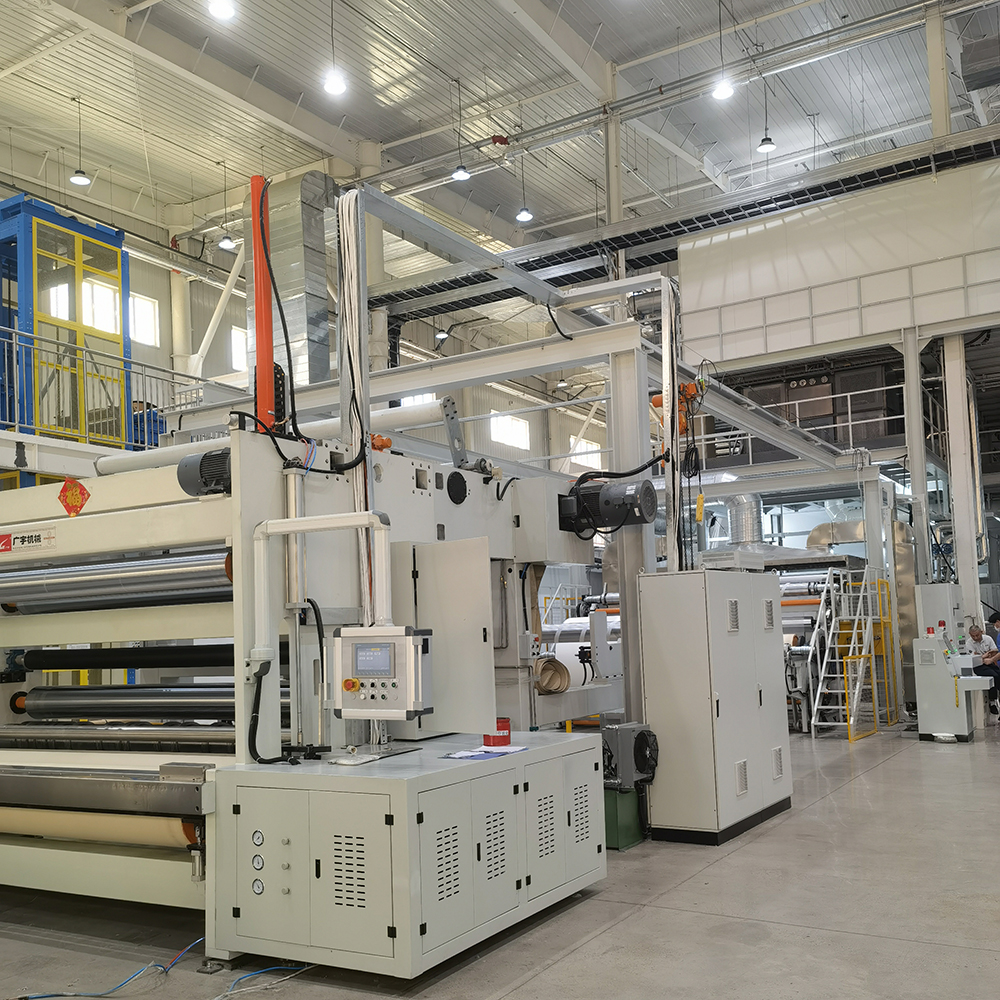
মেডিকেল nonwovens উপাদান ফিড উপর সুনির্দিষ্ট নিয়ন্ত্রণ প্রয়োজন, ওয়েব গঠন, এবং বন্ধন. সাধারণ উচ্চ-দক্ষতা লাইনগুলিতে উচ্চ-নির্ভুলতা এক্সট্রুডারের মতো উপাদান অন্তর্ভুক্ত থাকে, গলিত মরা মাথা, কুলিং সিস্টেম, এবং ঘুর ইউনিট.
একটি শক্তিশালী কাপড় তৈরির মেশিন উৎপাদন লাইনের মেরুদণ্ড, ইউনিফর্ম ওয়েব এবং সামঞ্জস্যপূর্ণ ফ্যাব্রিক গুণমান নিশ্চিত করা.
SSMMS এবং SMS লাইনগুলি উন্নত লেয়ারিং এবং বন্ধন কৌশলগুলি ব্যবহার করে স্তরগুলিকে একীভূত করে যেমন ক্যালেন্ডার বন্ধন বা এয়ার-থ্রু বন্ডিং মেডিক্যাল কাপড়ের কঠোর মান পূরণ করতে.
মেল্টব্লাউন: পরিস্রাবণ হৃদয়
গলিত স্তরের কর্মক্ষমতা মেডিকেল গ্রেড কাপড়ের জন্য অত্যন্ত গুরুত্বপূর্ণ. একটি গুণ গলে যাওয়া অ বোনা মেশিন সূক্ষ্ম ফাইবার বিতরণ এবং উচ্চ পরিস্রাবণ দক্ষতা নিশ্চিত করে, যা PPE পারফরম্যান্সের কেন্দ্রবিন্দু, বিশেষত মেডিকেল মাস্ক এবং প্রতিরক্ষামূলক পোশাক.
লাইন সরবরাহকারীদের মূল্যায়নের পদক্ষেপ
সঠিক লাইন নির্বাচন করা শুধুমাত্র প্রযুক্তি সম্পর্কে নয়; এটা সম্পর্কে সরবরাহকারীর ক্ষমতা এবং দীর্ঘমেয়াদী অংশীদারিত্ব:
- একজন সরবরাহকারীর মূল্যায়ন করুন প্রকৌশল দক্ষতা, কাস্টমাইজেশন ক্ষমতা এবং ইন্টিগ্রেশন সমর্থন সহ.
- পর্যালোচনা রেফারেন্স ইনস্টলেশন এবং অনুরূপ অ্যাপ্লিকেশন ডোমেনে গ্রাহক প্রতিক্রিয়া.
- মূল্যায়ন করুন বিক্রয়োত্তর সেবা, খুচরা যন্ত্রাংশ প্রাপ্যতা, এবং রক্ষণাবেক্ষণ সমর্থন.
- সরবরাহকারী অফার করে কিনা তা পরীক্ষা করুন প্রশিক্ষণ এবং কমিশনিং পরিষেবা.
এই কারণগুলি সরাসরি আপটাইমকে প্রভাবিত করে, পণ্য মানের ধারাবাহিকতা, এবং সরঞ্জামের সামগ্রিক জীবনকালের মূল্য.
রিয়েল-ওয়ার্ল্ড কেস সিনারিওস
মামলা 1: সার্জিক্যাল গাউন উৎপাদন
একটি বৃহৎ মেডিকেল টেক্সটাইল উত্পাদক উচ্চ বাধা প্রয়োজনীয়তা সঙ্গে অস্ত্রোপচার গাউন জন্য ক্ষমতা বৃদ্ধি প্রয়োজন. একটি কর্মক্ষমতা পর্যালোচনা পরে, তারা একটি জন্য নির্বাচন এসএসএমএমএস লাইন কঠোর নিয়ন্ত্রক মান এবং প্রতিযোগিতামূলক বাজার অবস্থান পূরণের অতিরিক্ত গলিত ক্ষমতা সহ.
মামলা 2: আইসোলেশন গাউন প্রস্তুতকারক
একটি মধ্য-স্তরের প্রতিরক্ষামূলক পোশাক প্রস্তুতকারক আইসোলেশন গাউনের উপর দৃষ্টি নিবদ্ধ করে, কর্মক্ষমতা এবং খরচ ভারসাম্য. তারা একটি নির্বাচন এসএমএস লাইন যা কম প্রাথমিক বিনিয়োগের সাথে পর্যাপ্ত পরিস্রাবণ কর্মক্ষমতা প্রদান করে, সম্ভাব্য আপগ্রেড পথ ধরে রাখার সময় দ্রুত ROI মঞ্জুরি দেয়.
এই ধরনের উদাহরণ প্রদর্শন কিভাবে সারিবদ্ধ লাইন ক্ষমতা সঙ্গে পণ্য লক্ষ্য প্রতিযোগিতামূলক সুবিধা এবং সম্মতি নিশ্চিত করে.
আপনি যদি উত্পাদন লাইনের মূল্যায়ন করছেন বা আপনার মেডিকেল নন-উভেন অ্যাপ্লিকেশনের জন্য প্রযুক্তিগত প্রয়োজনীয়তাগুলি সংজ্ঞায়িত করতে সহায়তার প্রয়োজন, আমাদের বিশেষজ্ঞরা আপনাকে একটি উপযুক্ত মূল্যায়ন এবং খরচ-সুবিধা বিশ্লেষণে সহায়তা করতে পারে.
ব্যক্তিগত নির্দেশিকা জন্য আমাদের দলের সাথে যোগাযোগ করুন.
সাধারণ চ্যালেঞ্জ এবং সমাধান
চ্যালেঞ্জ: ভারসাম্য বাধা কর্মক্ষমতা এবং খরচ
বাজেটের সীমাবদ্ধতাকে অতিক্রম না করে উচ্চ বাধা কর্মক্ষমতা অর্জন করা কঠিন হতে পারে. একটি পর্যায়ক্রমে পদ্ধতি - একটি এসএমএস লাইন দিয়ে শুরু করে এবং পরে গলিত ক্ষমতা বাড়ানো - একটি কৌশল যা কিছু নির্মাতারা গ্রহণ করেন.
চ্যালেঞ্জ: সামঞ্জস্যপূর্ণ মান নিয়ন্ত্রণ
ওয়েব গঠন বা বন্ধনে কোনো বিচ্যুতি পণ্য প্রত্যাখ্যান হতে পারে. উৎপাদনের সময় মানসম্পন্ন চেকপয়েন্ট এবং রিয়েল-টাইম মনিটরিং সিস্টেম স্থাপন করা ধারাবাহিকতা বজায় রাখতে সাহায্য করে.
চ্যালেঞ্জ: নিয়ন্ত্রক সম্মতি
মেডিকেল nonwovens যেমন নির্দিষ্ট মান পূরণ করতে হবে AAMI PB70 (যেখানে প্রযোজ্য) বা স্থানীয় নিয়ন্ত্রক প্রয়োজনীয়তা. অভিজ্ঞ নির্মাতাদের সাথে সহযোগিতা এবং নিয়ন্ত্রক বিশেষজ্ঞদের সাথে পরামর্শ করার পরামর্শ দেওয়া হয়.
FAQ
প্রশ্ন 1: মেডিকেল অ্যাপ্লিকেশনগুলিতে এসএমএস এবং এসএসএমএস এর মধ্যে মূল পার্থক্য কী?
প্রধান পার্থক্য হল গলিত স্তরের সংখ্যা এবং ফলস্বরূপ কর্মক্ষমতা. SSMMS সাধারণত অফার করে উচ্চ পরিস্রাবণ এবং শক্তি এসএমএসের তুলনায়, এটি উচ্চ-বাধা চিকিৎসা পণ্যের জন্য উপযুক্ত করে তোলে.
প্রশ্ন 2: একটি SMS লাইন পরে SSMMS-এ আপগ্রেড করা যেতে পারে?
কিছু কনফিগারেশন মডুলার আপগ্রেড করার অনুমতি দেয় যেখানে একটি অতিরিক্ত গলিত অংশ একত্রিত করা যেতে পারে, তবে এটি প্রাথমিক বিন্যাস এবং সরবরাহকারীর নকশার উপর নির্ভর করে.
প্রশ্ন 3: একটি উত্পাদন লাইন নির্বাচন করার ক্ষেত্রে সরবরাহকারীর সমর্থন কতটা গুরুত্বপূর্ণ?
অত্যন্ত গুরুত্বপূর্ণ. প্রসবের বাইরে, একটি সরবরাহকারীর প্রকৌশল সহায়তা, কমিশনিং সেবা, এবং অংশ প্রাপ্যতা নির্ধারণ অপারেশনাল আপটাইম এবং দীর্ঘমেয়াদী সাফল্য.
প্রশ্ন 4: চিকিৎসা প্রবণতা কি উৎপাদন লাইনের পছন্দ পরিবর্তন করবে??
হ্যাঁ. বিকশিত চিকিৎসা মান বা জরুরি PPE প্রয়োজন (যেমন, মহামারী প্রতিক্রিয়া) প্রয়োজন হতে পারে উচ্চ কর্মক্ষমতা কাপড়, লাইন নির্বাচনকে প্রভাবিত করে.
গুয়ানলং সম্পর্কে
গুয়ানলং ননউভেন যন্ত্রপাতি অ বোনা সরঞ্জাম একটি পেশাদারী সরবরাহকারী, মেডিকেলের জন্য তৈরি উচ্চ-কার্যকারিতা SSMMS এবং SMS লাইনে বিশেষজ্ঞ, স্বাস্থ্যবিধি, এবং শিল্প অ বোনা ফ্যাব্রিক উত্পাদন. গভীর শিল্প অভিজ্ঞতা এবং মানের প্রতিশ্রুতি সঙ্গে, গুয়ানলং এর মাধ্যমে B2B অংশীদারদের সমর্থন করে প্রকৌশল পরামর্শ, কাস্টমাইজড লাইন ডিজাইন, বিক্রয়োত্তর সমর্থন, এবং ক্রমাগত উদ্ভাবন, প্রস্তুতকারকদের প্রতিযোগিতামূলক বাজারে এগিয়ে থাকতে সাহায্য করে.
রেফারেন্স
- উইকিপিডিয়া, ননবোভেন ফ্যাব্রিক, https://en.wikipedia.org/wiki/Nonwoven_fabric
- AAMI, PB70:2012 - স্বাস্থ্য পরিচর্যা সুবিধাগুলিতে ব্যবহারের উদ্দেশ্যে প্রতিরক্ষামূলক পোশাক এবং ড্রেপের বাধা কার্যক্ষমতা এবং শ্রেণীবিভাগ