
একটি nonwoven উত্পাদন লাইন জন্য সঠিক ক্ষমতা নির্বাচন আপনার উপর নির্ভর করে লক্ষ্য বাজার চাহিদা, পণ্যের ধরণ, বাজেট, স্থান, এবং স্কেলেবিলিটি পরিকল্পনা. সহজ কথায়, আপনার এমন একটি ক্ষমতা নির্বাচন করা উচিত যা আপনার বর্তমান অর্ডার ভলিউম পূরণ করে যখন বৃদ্ধির জন্য জায়গা ছেড়ে যায়. উদাহরণস্বরূপ, প্রতি মাসে 50-100টনের জন্য ডিজাইন করা একটি লাইন একটি স্টার্ট-আপ সরবরাহকারী হালকা ননওভেনগুলির জন্য আদর্শ হতে পারে, যেখানে চিকিৎসা বা স্বাস্থ্যবিধি খাতকে লক্ষ্য করে মাঝারি থেকে বড় উদ্যোগ প্রতি মাসে 200-500টন বা তার বেশি লক্ষ্য রাখতে পারে. নীচের বিভাগে, আমরা কীভাবে উৎপাদনের প্রকারের উপর ভিত্তি করে সঠিক ক্ষমতা নির্ধারণ করব তা অন্বেষণ করব, বাজার বিভাগ, অপারেশনাল খরচ, এবং ব্যবহারিক ক্ষেত্রে তুলনা.
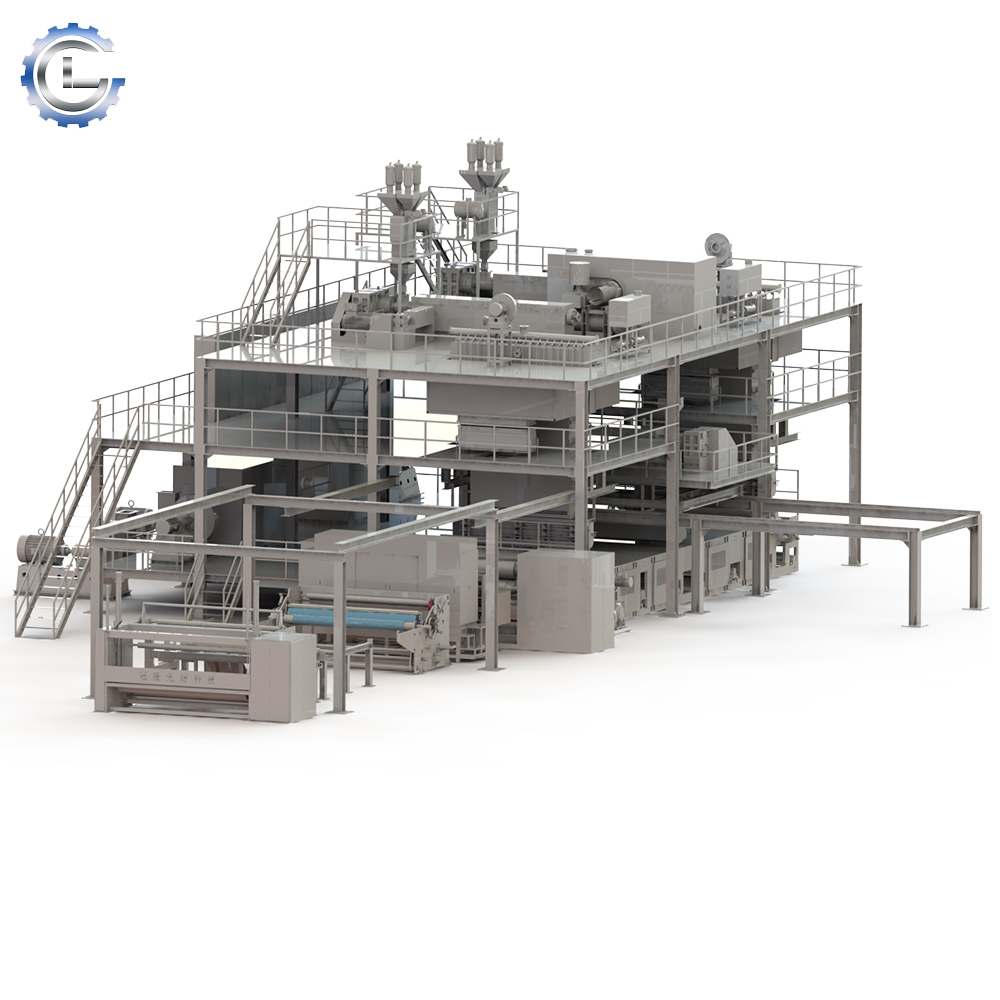
ননবোভেন ম্যানুফ্যাকচারিংয়ে উৎপাদন ক্ষমতা বোঝা
একটি nonwoven উত্পাদন লাইনে "ক্ষমতা" বোঝায় লাইন প্রতি ইউনিট সময় উত্পাদন করতে পারে সমাপ্ত ফ্যাব্রিক পরিমাণ, সাধারণত প্রকাশ করা হয় কেজি/ঘন্টা, প্রতি মাসে টন, বা প্রতিদিন বর্গ মিটার.
কি ক্ষমতা নির্ধারণ করে
ক্ষমতা দ্বারা প্রভাবিত হয়:
- লাইনের গতি (মিটার/মিনিট)
- ফ্যাব্রিক প্রস্থ (600-3200+ মিমি)
- প্রক্রিয়া প্রযুক্তি (স্পানবন্ড, মেল্টব্লাউন, স্পুনমেল্ট, ইত্যাদি)
- উৎপাদন ইউনিটের সংখ্যা এবং প্রকার (একক বনাম বহু-স্তর)
এই কারণগুলি সম্মিলিতভাবে নির্ধারণ করে যে আপনার কতটা আউটপুট অ বোনা ফ্যাব্রিক মেশিন সর্বোত্তম অবস্থার অধীনে বিতরণ করতে পারেন.
ক্যাপাসিটি ম্যাটারস কেন
ভুল ক্ষমতা নির্বাচন করা হয় কম ব্যবহার বা সম্পদের অতিরিক্ত এক্সটেনশনের দিকে পরিচালিত করে. কম ক্ষমতা আপনাকে অর্ডার প্রত্যাখ্যান করতে বা ডেলিভারির সময় আপস করতে বাধ্য করতে পারে. অতিরিক্ত ক্ষমতা সংশ্লিষ্ট রাজস্ব লাভ ছাড়াই অপারেটিং খরচ বাড়াতে পারে.
পণ্যের ধরন এবং বাজারের চাহিদার সাথে সামঞ্জস্যপূর্ণ
উপাদান ব্যবহারের উপর ভিত্তি করে বিভিন্ন পণ্য বিভাগের স্বতন্ত্র ক্ষমতার প্রয়োজনীয়তা রয়েছে, বাজার মূল্য, এবং আবেদন.
লাইটওয়েট বনাম. হেভিওয়েট Nonwovens
লাইটওয়েট nonwovens (যেমন, স্বাস্থ্যবিধি পণ্যের জন্য এসএমএস) প্রতি বর্গ মিটারে কম পলিমার গ্রাস করে এবং উত্পাদিত হতে পারে উচ্চ গতি কিন্তু গতি-সম্পর্কিত মানের সমস্যাগুলির প্রতি বৃহত্তর সংবেদনশীলতার সাথে. হেভিওয়েট nonwovens (যেমন, জিওটেক্সটাইল, পরিস্রাবণ) আরো উপাদান এবং ধীর লাইন গতি প্রয়োজন, প্রভাবিত থ্রুপুট.
অ্যাপ্লিকেশন-চালিত ক্ষমতা পছন্দ
- চিকিৎসা এবং স্বাস্থ্যবিধি পণ্য: উচ্চ চাহিদা, কঠোর মান নিয়ন্ত্রণ → প্রায়শই মাঝারি থেকে উচ্চ ক্ষমতার লাইন
- ফিল্টার মিডিয়া এবং শিল্প কাপড়: উচ্চ উপাদান ঘনত্ব → বিনয়ী লাইন গতি কিন্তু উচ্চ উপাদান থ্রুপুট
- ভোগ্যপণ্য এবং প্যাকেজিং: নমনীয় উত্পাদন সময়সূচী সহ মাঝারি ক্ষমতা প্রয়োজন
আপনার মূল্যায়ন লক্ষ্য অ্যাপ্লিকেশন একটি লাইন আকার নির্বাচন করার আগে.
লাইন ক্যাপাসিটি নির্বাচনের জন্য মূল মেট্রিক্স
ক্ষমতা নির্বাচন নির্বিচারে নয়. বেশ কিছু প্রযুক্তিগত এবং বাণিজ্যিক মেট্রিক্স আপনার সিদ্ধান্তকে গাইড করবে.
পূর্বাভাসিত চাহিদা এবং বাজার বিশ্লেষণ
বাজার গবেষণার উপর ভিত্তি করে আপনার প্রথম বছরের বিক্রয় পরিমাণ অনুমান করুন. একটি ভাল নিয়ম হল ডিজাইন করা 20-30% প্রত্যাশিত চাহিদার উপরে, অপ্রত্যাশিত আদেশ বা মৌসুমী শিখর জন্য অনুমতি.
ফ্লোর স্পেস এবং অবকাঠামো
উচ্চ-ক্ষমতার লাইনগুলি আরও শারীরিক স্থান নেয় এবং শক্তিশালী ইউটিলিটিগুলির প্রয়োজন হয়৷ (ক্ষমতা, বায়ু, চিলার সিস্টেম, কাঁচামাল স্টোরেজ). নিশ্চিত করুন যে আপনার সুবিধার পরিকাঠামো পরিকল্পিত ক্ষমতা সমর্থন করতে পারে.
খরচ-বেনিফিট ব্যালেন্স
বড় লাইনের মূলধন খরচ বেশি কিন্তু ইউনিট উৎপাদন খরচ কম. ছোট লাইনের অগ্রিম খরচ কম কিন্তু প্রতি-ইউনিট খরচ বেশি হতে পারে. সঞ্চালন a খরচ-প্রতি-কেজি বিশ্লেষণ বিকল্পগুলির তুলনা করার সময়.
ভবিষ্যতের মাপযোগ্যতা
আপনি যদি বৃদ্ধির প্রত্যাশা করেন তবে একটি মডুলার বা প্রসারণযোগ্য কনফিগারেশন চয়ন করুন. কিছু নির্মাতারা আপনাকে একটি মৌলিক কনফিগারেশন দিয়ে শুরু করতে এবং পরে ক্ষমতা বাড়াতে কী মডিউল আপগ্রেড করার অনুমতি দেয়.
উদাহরণ পরিস্থিতি এবং ক্ষমতা সুপারিশ
নীচে নমুনা ক্ষমতা পরিসীমা এবং তাদের সাধারণ অ্যাপ্লিকেশনগুলি আপনাকে পছন্দগুলি কল্পনা করতে সহায়তা করে৷.
টেবিল: সাধারণ ক্ষমতা সুপারিশ এবং অ্যাপ্লিকেশন
| ক্ষমতা পরিসীমা | সাধারণ আবেদন | উত্পাদন প্রোফাইল |
|---|---|---|
| 50-100t/মা | কুলুঙ্গি বাজার, হালকা কাপড় | কম বিনিয়োগ, নমনীয় রান |
| 100-200t/মা | স্বাস্থ্যবিধি পণ্য, ভোক্তা পণ্য | সুষম গতি এবং আউটপুট |
| 200-400t/মা | মেডিকেল এসএমএস, শিল্প মিডিয়া | উচ্চতর থ্রুপুট, বড় অর্ডার |
| 400 t/mo+ | উচ্চ-ভলিউম শিল্প বা ব্র্যান্ডেড সরবরাহ | বড় উৎপাদন ওভারহেড |
সঠিক পরিসর নির্বাচন করা ভারসাম্য বজায় রাখতে সাহায্য করে বিনিয়োগ ঝুঁকি, বাজারের প্রতিক্রিয়াশীলতা, এবং অপারেশনাল খরচ.
ব্যবহারিক বিবেচনা: প্রযুক্তি এবং মেশিনের ধরন
সঠিক প্রযুক্তি নির্বাচন ক্ষমতা এবং পণ্যের কর্মক্ষমতা উভয়কেই প্রভাবিত করে.
স্পুনবন্ড বনাম. মেল্টব্লোউন বনাম. স্পুনমেল্ট লাইন
- স্পানবন্ড: শক্তিশালী জাল, প্রায়ই উচ্চ গতি
- মেল্টব্লাউন: সূক্ষ্ম তন্তু, প্রায়ই ধীর এবং বিশেষ
- স্পুনমেল্ট (এসএমএস/এসএমএস): শক্তির জন্য স্পুনবন্ড এবং মেল্টব্লোনকে একত্রিত করে + পরিস্রাবণ
প্রযুক্তি নির্বাচন পণ্যের কার্যকারিতা এবং বাজারের চাহিদার সাথে আপনার ক্ষমতার সিদ্ধান্তকে সারিবদ্ধ করে.
লাইন কনফিগারেশন
একক-স্তর রেখাগুলি একটি উপাদানের ধরণের উপর ফোকাস করে এবং সাধারণত সেই কুলুঙ্গিতে ক্ষমতার জন্য অপ্টিমাইজ করে. মাল্টি-লেয়ার লাইন (যেমন, এসএমএস) বৈচিত্র্যময় উপাদান বৈশিষ্ট্য ভারসাম্য কিন্তু জটিলতার কারণে সামান্য কম কার্যকর থ্রুপুট থাকতে পারে.
কনফিগারেশন মূল্যায়ন করার সময়, কীভাবে পরিবর্তন হয় তা বিবেচনা করুন ফ্যাব্রিক গঠন বাজার মূল্য এবং চাহিদা প্রভাবিত.
ক্যাপাসিটি চয়েসের আর্থিক ও অপারেশনাল প্রভাব
আপনার ক্ষমতার সিদ্ধান্তের খরচ কাঠামো এবং অপারেশনাল দক্ষতার উপর সরাসরি প্রভাব রয়েছে.
মূলধন ব্যয় (ক্যাপেক্স)
উচ্চ ক্ষমতার লাইনে আরও বিনিয়োগের প্রয়োজন:
- এক্সট্রুশন সিস্টেম
- বৃহত্তর ডাইস এবং ওভেন
- বিস্তৃত ওয়েব হ্যান্ডলিং সিস্টেম
- উন্নত অটোমেশন
ইনস্টলেশনের জন্য বাজেট, কমিশনিং, এবং পাশাপাশি প্রশিক্ষণ.
অপারেটিং ব্যয় (ওপেক্স)
সঙ্গে অপারেটিং খরচ স্কেল:
- শক্তি খরচ
- পলিমার ব্যবহার
- শ্রম
- রক্ষণাবেক্ষণ
উচ্চ ক্ষমতা প্রায়ই হ্রাস পায় ইউনিট প্রতি খরচ, কিন্তু নিশ্চিত করুন যে আপনার চাহিদা স্কেল সমর্থন করে.
বিনিয়োগে রিটার্ন
প্রত্যাশিত আয়ের সাথে প্রতি-ইউনিট খরচ কমিয়ে তুলনা করে পেব্যাক সময়কাল অনুমান করুন. দীর্ঘ পরিশোধের সময় কৌশলগত জন্য গ্রহণযোগ্য হতে পারে, দীর্ঘমেয়াদী প্রতিশ্রুতি.
রক্ষণাবেক্ষণ এবং দক্ষতা অপ্টিমাইজেশান
সঠিক রক্ষণাবেক্ষণ সামঞ্জস্যপূর্ণ ক্ষমতা এবং গুণমান নিশ্চিত করে. বিবেচনা করুন:
- পরিষ্কার এবং প্রান্তিককরণের জন্য নির্ধারিত ডাউনটাইম
- সেন্সর এবং টেনশন নিয়ন্ত্রণের নিয়মিত ক্রমাঙ্কন
- পলিমার ফিড ধারাবাহিকতা
অপারেশনাল অপ্টিমাইজেশান ক্ষমতা নির্বিশেষে লাইন আপটাইম সর্বোচ্চ রাখে.
সঠিক উত্পাদন লাইন নির্বাচন করার জন্য ব্যক্তিগতকৃত নির্দেশিকা জন্য, আপনি ইচ্ছা করতে পারেন আপনার প্রয়োজনীয়তা নিয়ে আলোচনা করতে আমাদের বিক্রয় এবং প্রকৌশল দলের সাথে যোগাযোগ করুন.
সঠিক প্রস্তুতকারক এবং সমর্থন নির্বাচন করা
একটি সম্মানজনক সরবরাহকারী নির্বাচন প্রযুক্তিগত দক্ষতার অ্যাক্সেস নিশ্চিত করে, সময়মত খুচরা যন্ত্রাংশ, এবং বিক্রয়োত্তর সমর্থন.
ননবোভেন মেশিনারিতে ট্র্যাক রেকর্ড সহ বিক্রেতাদের সন্ধান করুন, যেমন কাপড় তৈরির মেশিন ইন্টিগ্রেশন এবং বিভিন্ন পণ্য পোর্টফোলিও. এছাড়াও একটি পরিসীমা প্রস্তাব সরবরাহকারী বিবেচনা অ বোনা ফ্যাব্রিক মেশিন বিকশিত ক্ষমতা চাহিদা মেলে বিকল্প.
প্রায়শই জিজ্ঞাসিত প্রশ্ন
অ বোনা লাইনের জন্য একটি সাধারণ ক্ষমতা ইউনিট কি??
ধারণক্ষমতা কেজি/ঘন্টায় প্রকাশ করা যায়, টন/মাস, বা বর্গ মিটার/দিন. আপনার বিক্রয় পূর্বাভাস এবং জায় পরিকল্পনার সাথে সারিবদ্ধ ইউনিট চয়ন করুন.
আমি কি পরে একটি ননবোভেন লাইন আপগ্রেড করতে পারি?
হ্যাঁ, অনেক নির্মাতারা মডুলার আপগ্রেড অফার করে, যেমন বিস্তৃত বিম, অতিরিক্ত এক্সট্রুশন মাথা, বা অটোমেশন বর্ধন.
কীভাবে পণ্যের ধরন ক্ষমতার সিদ্ধান্তকে প্রভাবিত করে?
পণ্যের ধরন লাইন কনফিগারেশন এবং গতি উভয়কেই প্রভাবিত করে. লাইটওয়েট, উচ্চ-গতির কাপড়গুলি থ্রুপুট এবং মানের সীমাবদ্ধতায় ঘন শিল্প মিডিয়া থেকে পৃথক.
ছোট ক্ষমতা দিয়ে শুরু করা কি ভালো?
ছোট ক্ষমতা প্রাথমিক বিনিয়োগ ঝুঁকি কমায়, কিন্তু উচ্চ ভলিউম এ খরচ দক্ষতা মিস করতে পারে. প্রাক্কলিত বৃদ্ধির সাথে প্রাথমিক মূলধনের ভারসাম্য বজায় রাখুন.
গুয়ানলং সম্পর্কে
গুয়ানলং নন বোনা উত্পাদন সমাধানগুলির একটি বিশ্বস্ত প্রদানকারী, উন্নত যন্ত্রপাতি অফার, মাপযোগ্য লাইন কনফিগারেশন, এবং আপনার উৎপাদন লক্ষ্য অনুযায়ী প্রযুক্তিগত সহায়তা. আমাদের দক্ষতা ব্র্যান্ড এবং নির্মাতাদের সঠিক লাইন ক্ষমতা চয়ন করতে সাহায্য করে, কর্মক্ষমতা অপ্টিমাইজ করুন, এবং প্রতিযোগিতামূলক বাজারে দক্ষ অপারেশন বজায় রাখা.
রেফারেন্স
উইকিপিডিয়া. ননবোভেন ফ্যাব্রিক. https://en.wikipedia.org/wiki/Nonwoven_fabric
আন্তর্জাতিক ননওভেনস এবং ডিসপোজেবল অ্যাসোসিয়েশন (যেখানেই). Nonwovens শিল্প ওভারভিউ.
ফাইবার 2 ফ্যাশন. ননবোভেন মেশিনারি এবং প্রসেস বোঝা.