
Elegir entre una línea SSMMS o SMS para no tejidos médicos puede resultar confuso, especialmente para los nuevos participantes en la industria de producción de no tejidos. La respuesta comienza con alinear requisitos de rendimiento del producto, estándares regulatorios, y expectativas de producción con las capacidades técnicas de cada línea. En esencia, debe seleccionar una línea SSMMS o SMS según el uso final de la tela (P.EJ., batas quirúrgicas vs.. aislamiento mascarillas), rendimiento de barrera y filtración, objetivos de costos de producción, y escalabilidad. Las secciones posteriores de este artículo proporcionan ejemplos prácticos., comparaciones de la industria, y herramientas de toma de decisiones para ayudar a los compradores B2B a tomar la decisión correcta.
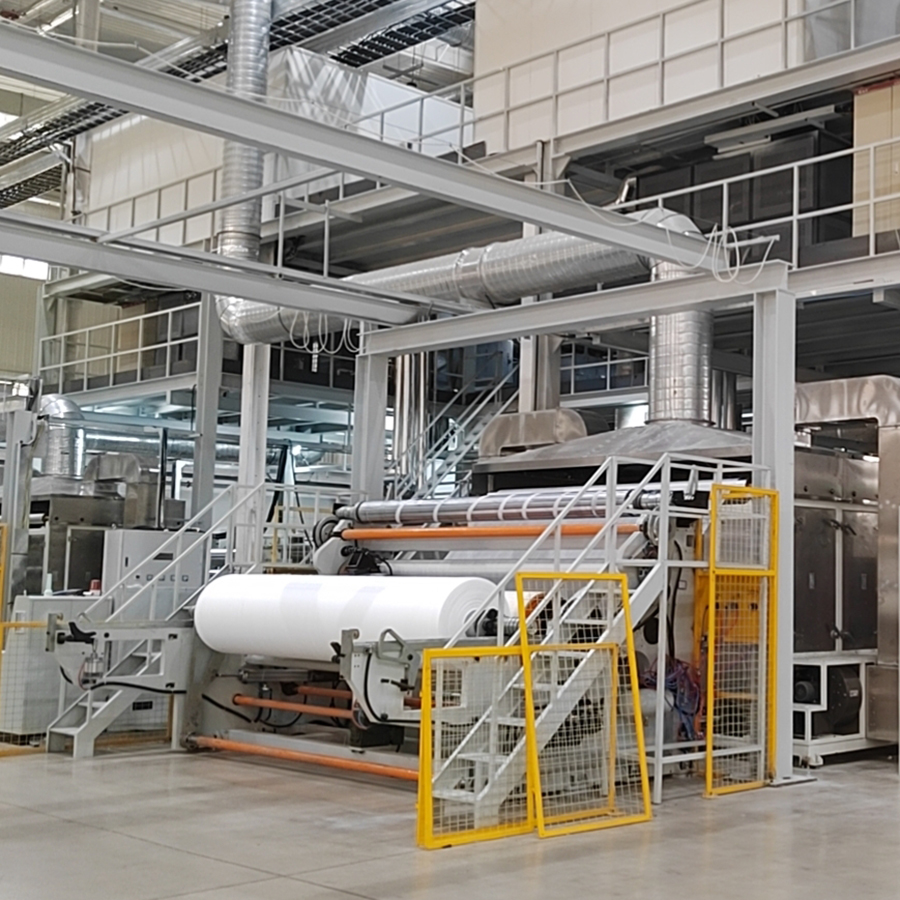
¿Qué son las líneas no tejidas SSMMS y SMS??
Las telas médicas no tejidas generalmente se fabrican mediante procesos de hilado multicapa y soplado en fusión.. Dos de las configuraciones más comunes son Ssmms (Spunbond–Spunbond–Meltblown–Meltblown–Spunbond) y SMS (Spunbond – Meltblown – Spunbond).
Línea SSMMS
SSMMS combina múltiples capas spunbond con dos capas fundidas por soplado, ofrenda propiedades mejoradas de resistencia y barrera. Es particularmente adecuado para productos médicos que requieren tanto resistencia mecánica como filtración de partículas finas, como batas y paños quirúrgicos.
Línea SMS
Una configuración de SMS coloca una capa fundida entre dos capas hiladas. proporciona Excelente filtración con fuerza adecuada., lo que lo hace adecuado para productos como batas de aislamiento y ciertos tipos de prendas de protección..
La elección entre estas configuraciones debe basarse en especificaciones de rendimiento, requisitos reglamentarios, y consideraciones de costos.
Factores fundamentales para seleccionar la línea correcta
Seleccionar una línea de producción implica evaluar múltiples variables técnicas y comerciales. A continuación se detallan los principales factores a considerar.
1. Requisitos de uso final
Diferentes productos médicos exigen diferentes características de rendimiento.:
- Batas y cortinas quirúrgicas – Requieren alta protección y resistencia de barrera.
- Batas y overoles de aislamiento – Necesita una buena filtración y una durabilidad razonable..
- EPP no médico – Puede priorizar la rentabilidad sobre el rendimiento máximo de la barrera.
Una línea SSMMS tiende a ser preferida para aplicaciones de mayor barrera y resistencia, mientras que una línea de SMS puede servir a una gama más amplia de prendas de protección con un rendimiento competitivo.
2. Rendimiento de filtración y barrera
Las capas de soplado en fusión son responsables del rendimiento de la filtración debido a su fino diámetro de fibra y su gran área superficial.. Añadiendo múltiples capas fundidas (como en SSMMS) generalmente aumenta la eficiencia de filtración, que a menudo es crítico en entornos médicos.
3. Rendimiento de producción y escalabilidad
Su elección debe reflejar las necesidades de capacidad actuales y el crecimiento futuro.:
- Líneas SMS Se puede escalar incrementalmente en algunos diseños..
- Líneas SSMMS A menudo requieren un mayor capital inicial pero entregan tejido de mayor rendimiento a escala.
Al comparar líneas, considerar la velocidad de producción (m/min), requisitos de mantenimiento, y consumo de energía.
4. Costo y retorno de la inversión
Si bien el rendimiento es fundamental, No se puede ignorar la rentabilidad. Las líneas SSMMS pueden tener un precio más alto debido a la complejidad y la capacidad adicional de fusión. Un detallado análisis de costos del ciclo de vida (inversión de capital, consumibles, mantenimiento, y energía) debe realizarse antes de cometer.
Comparando SSMMS vs.. Líneas Médicas SMS
A continuación se muestra un resumen comparativo para ayudar a aclarar las diferencias.:
| Característica | Línea SSMMS | Línea SMS |
|---|---|---|
| Capas fundidas | Dos (doble) | Uno |
| Fortaleza | muy alto | Alto |
| Eficiencia de filtración | muy alto | Alto |
| Idoneidad de la aplicación | Quirúrgico, batas de barrera | batas de aislamiento, PPE |
| Costo | Más alto | Moderado |
| Complejidad de salida | Más complejo | menos complejo |
Componentes clave de la producción de no tejidos médicos
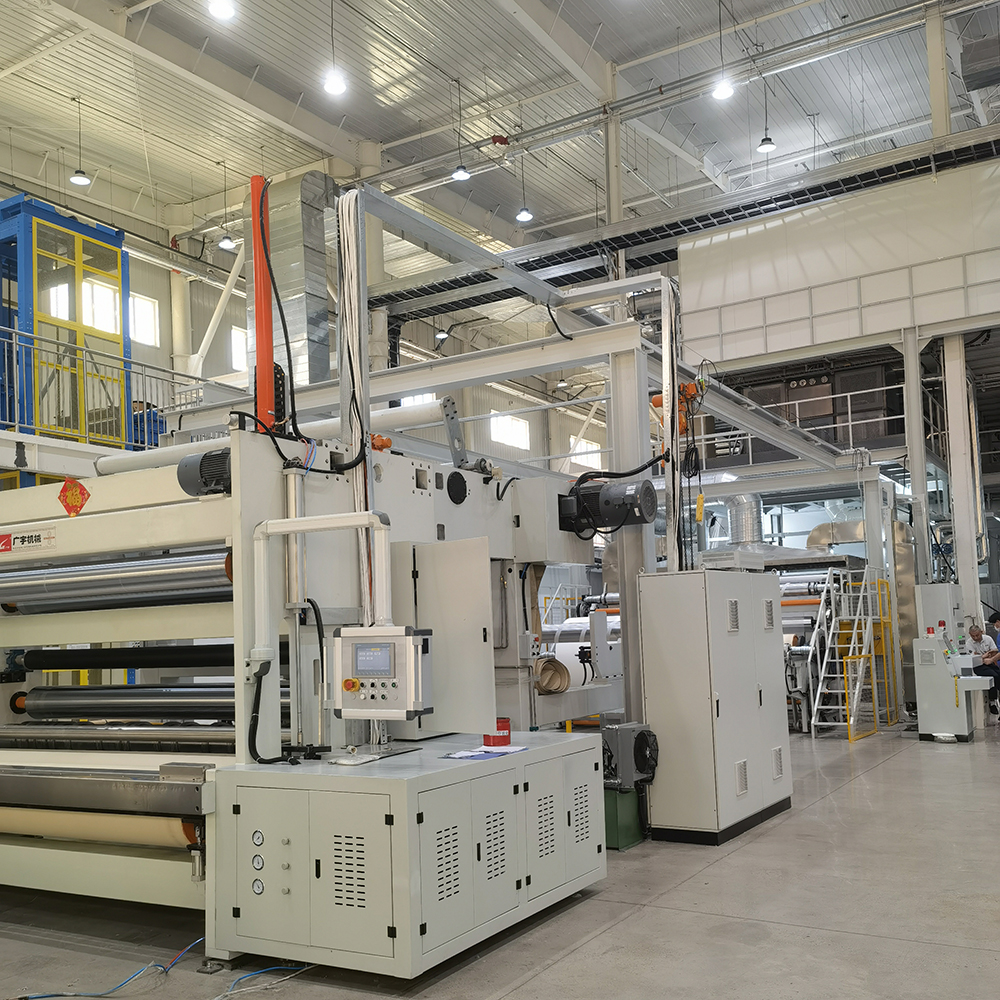
Los no tejidos médicos requieren un control preciso sobre la alimentación del material, formación web, y vinculación. Las líneas típicas de alta eficiencia incluyen componentes como extrusoras de alta precisión., cabezales de matriz fundidos, sistemas de enfriamiento, y unidades de bobinado.
Un robusto máquina de fabricación de telas es la columna vertebral de la línea de producción, asegurando bandas uniformes y una calidad constante de la tela.
Las líneas SSMMS y SMS integran capas utilizando estrategias avanzadas de estratificación y unión, como unión calandrada o unión por aire, para cumplir con los estrictos estándares de los tejidos médicos..
Derretido: El corazón de la filtración
El rendimiento de la capa fundida es crucial para los tejidos de grado médico.. una cualidad Máquina no tejida de color derribo Garantiza una distribución fina de la fibra y una alta eficiencia de filtración., que son fundamentales para el rendimiento del EPP, especialmente en máscaras médicas y prendas de protección.
Pasos para evaluar proveedores de línea
Seleccionar la línea correcta no es sólo cuestión de tecnología; se trata de capacidad del proveedor y asociación a largo plazo:
- Evaluar el proveedor competencia de ingeniería, incluyendo capacidad de personalización y soporte de integración.
- Revisar instalaciones de referencia y comentarios de clientes en dominios de aplicaciones similares.
- Evaluar servicio postventa, disponibilidad de repuestos, y soporte de mantenimiento.
- Compruebe si el proveedor ofrece servicios de formación y puesta en marcha.
Estos factores influyen directamente en el tiempo de actividad, consistencia de la calidad del producto, y valor de vida útil general del equipo.
Escenarios de casos reales
Caso 1: Producción de batas quirúrgicas
Un gran productor de textiles médicos necesitaba aumentar la capacidad de batas quirúrgicas con altos requisitos de barrera. Después de una evaluación de desempeño, optaron por un Línea SSMMS con capacidad adicional de soplado en fusión para cumplir con estrictos estándares regulatorios y un posicionamiento competitivo en el mercado.
Caso 2: Fabricante de batas de aislamiento
Un fabricante de indumentaria de protección de nivel medio centrado en batas de aislamiento, Equilibrando rendimiento y costo. Ellos seleccionaron un línea SMS que proporcionó un rendimiento de filtración adecuado con una menor inversión inicial, permitiendo un retorno de la inversión más rápido y manteniendo posibles vías de actualización.
Estos ejemplos demuestran cómo alinear Objetivos del producto con capacidades de línea. garantiza la ventaja competitiva y el cumplimiento.
Si está evaluando líneas de producción o necesita ayuda para definir los requisitos técnicos para su aplicación médica no tejida, Nuestros expertos pueden ayudarle con una evaluación personalizada y un análisis de costo-beneficio..
Póngase en contacto con nuestro equipo para obtener orientación personalizada..
Desafíos y soluciones comunes
Desafío: Equilibrar el rendimiento y el costo de la barrera
Lograr un alto rendimiento de barrera sin sobrepasar las restricciones presupuestarias puede resultar difícil. Un enfoque gradual (comenzando con una línea SMS y luego ampliando la capacidad de soplado en fusión) es una estrategia que adoptan algunos fabricantes..
Desafío: Control de calidad consistente
Cualquier desviación en la formación de la red o en la unión puede provocar el rechazo del producto.. Establecer puntos de control de calidad y sistemas de monitoreo en tiempo real durante la producción ayuda a mantener la coherencia..
Desafío: Cumplimiento normativo
Los no tejidos médicos deben cumplir estándares específicos como AAMI PB70 (donde se aplica) o requisitos reglamentarios localizados. Se recomienda colaborar con fabricantes experimentados y consultar a especialistas en reglamentación..
Preguntas frecuentes
Q1: ¿Cuál es la diferencia clave entre SMS y SSMMS en aplicaciones médicas??
La principal diferencia radica en el número de capas de fusión y el rendimiento resultante.. SSMMS normalmente ofrece mayor filtración y fuerza comparado con SMS, haciéndolo adecuado para productos médicos de mayor barrera.
Q2: ¿Se puede actualizar una línea de SMS a SSMMS más adelante??
Algunas configuraciones permiten actualizaciones modulares donde se puede integrar una sección adicional de soplado en fusión, pero esto depende del diseño inicial y del diseño del proveedor..
Q3: ¿Qué importancia tiene el apoyo de los proveedores a la hora de seleccionar una línea de producción??
Extremadamente importante. Más allá de la entrega, soporte de ingeniería de un proveedor, servicios de puesta en marcha, y la disponibilidad de piezas determina tiempo de actividad operativa y éxito a largo plazo.
Q4: ¿Las tendencias médicas cambiarán la elección de las líneas de producción??
Sí. Estándares médicos en evolución o necesidades emergentes de EPP (P.EJ., respuesta a la pandemia) puede requerir tejidos de mayor rendimiento, influir en la selección de línea.
Sobre Guanlong
Maquinaria no tejida Guanlong es un proveedor profesional de equipos no tejidos, especializada en líneas SSMMS y SMS de alto rendimiento diseñadas para uso médico, higiene, y producción industrial de telas no tejidas. Con una profunda experiencia en la industria y un compromiso con la calidad., Guanlong apoya a los socios B2B a través de consulta de ingenieria, diseño de línea personalizado, soporte posventa, e innovación continua, Ayudar a los fabricantes a mantenerse a la vanguardia en mercados competitivos..
Referencias
- Wikipedia, Tela no tejida, https://en.wikipedia.org/wiki/Nonwoven_fabric
- AAMI, PB70:2012 — Rendimiento de la barrera y clasificación de prendas y cortinas protectoras destinadas a su uso en centros de atención sanitaria