
Оборудование для производства нетканых материалов, полученных методом выдувания из расплава, стало незаменимым в различных отраслях промышленности: от медицинских материалов и фильтрации воздуха до армирования геотекстиля и промышленных сорбентов.. Для B2B-покупателей, решение инвестировать в технологию производства методом мельтблаун больше не ограничивается расширением мощностей.; речь идет об обеспечении долгосрочной конкурентоспособности, повышение точности продукта, и повышение устойчивости цепочки поставок.
В этом подробном руководстве рассматриваются основы, основные конфигурации машины, производственный рабочий процесс, и критические факторы, которые производители должны оценить, прежде чем войти в сектор нетканых материалов, полученных методом экструзии из расплава, или модернизировать его..
Понимание технологии мелтблауна и ее промышленного значения
Производство нетканых материалов методом выдувания из расплава — это узкоспециализированный процесс, в котором используется высокоскоростной горячий воздух для растяжения и размягчения расплава полимера до получения ультратонких волокон.. Эти волокна образуют сетчатую структуру с исключительными фильтрационными свойствами., делает ткань, полученную методом выдувания из расплава, незаменимой во многих областях применения, ориентированных на производительность..
Почему оборудование, полученное методом выдувания из расплава, важно для B2B-покупателей
• Контроль тонкости волокон обеспечивает точную степень фильтрации.
• Автоматизация повышает стабильность производства и снижает зависимость от рабочей силы.
• Высокая однородность поддерживает такие сложные применения, как фильтрующий материал N95.
• Производство на месте снижает зависимость от нестабильных глобальных сетей поставок.
Сегодняшние покупатели также полагаются на настройка линии нетканого материала для адаптации ширины машины, конструкции штампов, фильтрационные характеристики, и скорость производства в соответствии с конкретными потребностями отрасли. Правильная конфигурация напрямую влияет на рентабельность инвестиций в эксплуатацию., производительность продукта, и успех на вторичном рынке.
Узнайте больше в этом руководстве: настройка линии нетканого материала
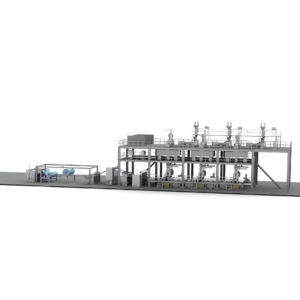
Основные компоненты оборудования для производства нетканых материалов из расплава
Современная линия мельтблауна представляет собой сложную интеграцию механической точности., полимерная инженерия, и интеллектуальные системы управления. Покупатели B2B получают выгоду от понимания основных компонентов, которые определяют качество продукции и энергоэффективность..
1. Блок подачи и экструзии полимеров
Экструдер плавит и сжимает необработанный полипропилен или специальные полимеры.. Стабильный контроль температуры имеет решающее значение для достижения постоянного диаметра волокна..
2. Сборка матрицы из расплава
Часто считается сердцем машины, матрица определяет тонкость волокна и однородность ткани. Такие параметры, как плотность дырок, ширина матрицы, и калибровка воздушного зазора существенно влияют на характеристики конечного продукта.
3. Система горячего воздуха
Высокоскоростной, потоки нагретого воздуха растягивают полимер в ультратонкие волокна. Покупатели должны оценить постоянство давления воздуха., потребление энергии, и термическая стабильность.
4. Коллекторная система
Волокнистое полотно укладывается на движущееся сито.. Точность механизмов всасывания и укладки полотна определяет однородность ткани и прочность на разрыв..
5. Намоточное устройство и окончательная обработка
Автоматизация сокращает время простоев и поддерживает непрерывный производственный ритм..
Для промышленного применения, например, геотекстиля., оборудование для выдувания из расплава также часто интегрируется с полным нетканая машина для производства геотекстиля, создание многоуровневой производственной экосистемы, поддерживающей дренажные слои, армирующие слои, и решения для стабилизации грунта. Узнайте больше здесь: нетканая машина для производства геотекстиля
Ключевые области применения, определяющие рыночный спрос на нетканые материалы, полученные методом выдувания из расплава
Медицинская фильтрация и СИЗ
Нетканый материал, полученный методом выдувания из расплава, остается золотым стандартом для фильтрующих слоев респираторов., сердцевины хирургической маски, и очистка воздуха медицинского уровня.
Фильтрация воздуха и жидкости
Точный контроль волокон делает ткань, выдутую из расплава, идеальной для фильтров систем отопления, вентиляции и кондиционирования воздуха., системы разделения нефти и воды, и пылесборники большой емкости.
Промышленные сорбенты
Ультратонкие волокнистые структуры повышают эффективность адсорбции, изготовление прокладок из расплава, необходимых для очистки разливов нефти и промышленного обслуживания.
Геотекстиль и строительство
Несмотря на то, что спанбонд доминирует среди сверхпрочного геотекстиля, Слои, полученные методом мельтблауна, улучшают фильтрационные и дренажные характеристики композитного геотекстиля..
Материалы для сепараторов аккумуляторов
Развивающиеся рынки электромобилей все чаще используют сепараторы, полученные методом выдувания из расплава, при производстве литий-ионных элементов., создание новых траекторий спроса для производителей.
Что покупатели B2B должны оценить перед инвестированием
Инвестирование в оборудование, полученное методом выдувания из расплава, является решением, требующим высоких ставок.. Производители B2B должны тщательно оценить следующее::
1. Позиционирование продукта и требуемая степень фильтрации
Подумайте, нужна ли вам фильтрация N95/N99., промышленные сорбенты, или слои нетканого материала для композитных тканей. Для каждого требуются разные конфигурации машины..
2. Выходная мощность и ширина линии
Типичная линия мелтблауна имеет ширину от 600 мм до 3200 мм.. Большая ширина способствует массовому производству., но требуют больших инвестиций в автоматизацию и управление температурой.
3. Совместимость сырья
Полипропилен входит в стандартную комплектацию., но рынки для ТПУ, Плата, и производство высокоэффективных полимеров растет. Убедитесь, что ваше оборудование поддерживает их, если вы нацелены на новые приложения..
4. Затраты на техническое обслуживание и эксплуатацию
Оценить механизмы очистки матрицы, циклы замены фильтров, и наличие запчастей.
5. Уровень автоматизации
Современные покупатели ищут:
• Мониторинг с помощью ПЛК
• Автоматическое управление намоткой
• Точная балансировка температуры матрицы.
• Энергоэффективные воздушные системы
Правильный уровень автоматизации напрямую влияет на конкурентное преимущество..
Как оборудование, полученное методом выдувания из расплава, повышает прибыльность и расширение рынка
Хорошо спроектированная линия выдувания из расплава помогает производителям:
• Сокращение затрат на аутсорсинг
• Захват высокодоходных рынков фильтрации
• Укрепить контроль над цепочкой поставок.
• Расширить портфолио продуктов.
• Повышение гибкости доставки для международных покупателей.
Тем временем, модульная архитектура линии поддерживает поэтапное расширение, позволяя предприятиям масштабироваться без значительной реструктуризации завода.
Производители, поставляющие фильтрацию, гигиена, автомобильный, геотекстиль, и энергетические рынки сочтут оборудование, полученное методом выдувания из расплава, стратегическим долгосрочным активом для повышения эксплуатационной устойчивости и инноваций..
О Гуаньлуне
Guanlong — ведущий производитель оборудования для производства нетканых материалов., специализирующийся на выдувании из расплава, спанбонд, SMS, и полностью индивидуальные линии по производству нетканых материалов. Обладая глубокими инженерными знаниями, передовые производственные возможности, и приверженность высокопроизводительным промышленным решениям, Guanlong поддерживает мировых производителей в области фильтрации, геотекстиль, гигиена, и рынки промышленных материалов. От прецизионных систем мельтблауна до настройки линий по производству нетканых материалов «под ключ»., Guanlong предлагает надежную технологию, которая помогает B2B-клиентам повысить эффективность, расширить присутствие на рынке, и добиться стабильного качества продукции.