
للمصنعين الصناعيين ومشتري الآلات غير المنسوجة, استخدام PET المعاد تدويره (rPET) هو اتجاه متزايد يهدف إلى تحسين الاستدامة وخفض تكاليف الإنتاج. والسؤال الذي يواجهه العديد من صناع القرار الصناعي هو: يمكن استخدام PET المعاد تدويره بشكل فعال في الخطوط غير المنسوجة أو المثقوبة بالإبر دون المساس بجودة القماش أو كفاءة الإنتاج?
الجواب القصير هو نعم, لكن التنفيذ الناجح يتطلب فهم خصائص مادة PET المعاد تدويرها, متطلبات المعالجة, واعتبارات الآلات. في هذه المقالة, سوف نستكشف الجدوى, التحديات التقنية, فوائد, وتكييف المعدات لاستخدام PET المعاد تدويره في الخيوط غير المنسوجة والخيوط غير المنسوجة.
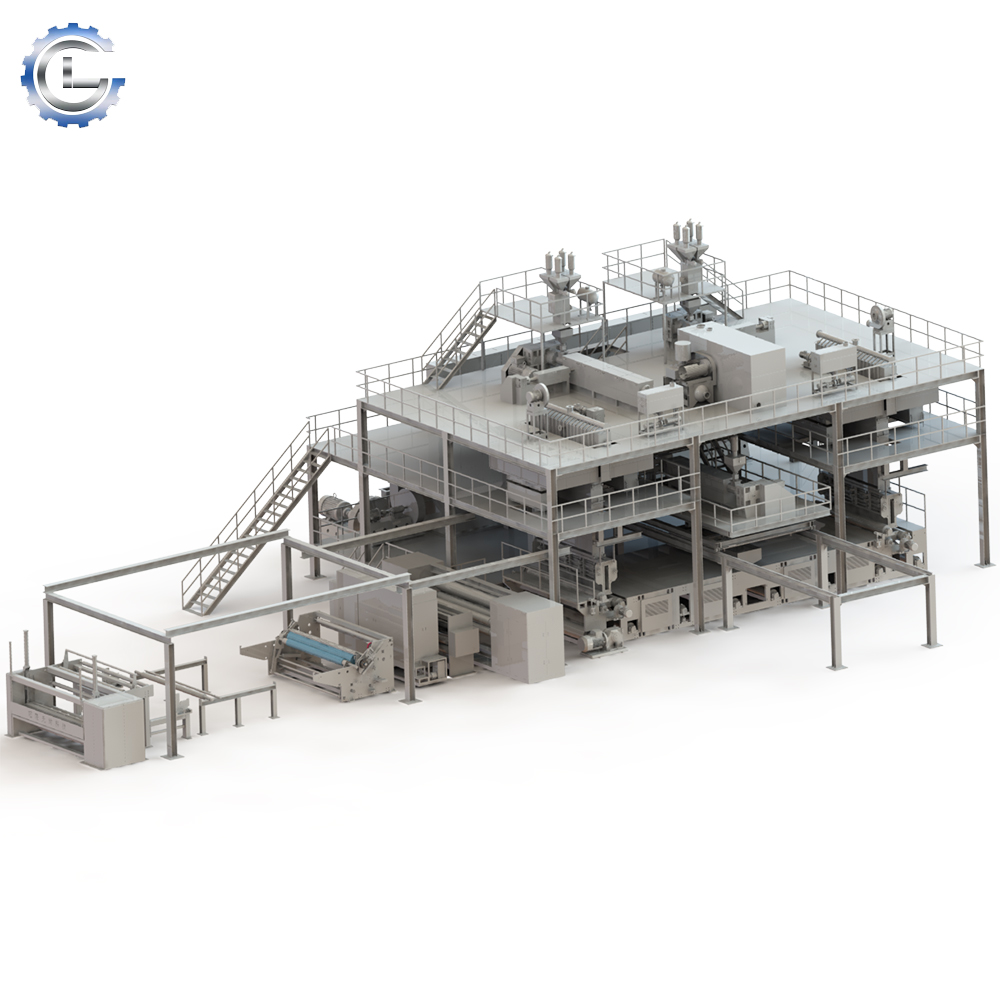
فهم PET المعاد تدويره
ما هو PET المعاد تدويره?
يتم الحصول على مادة PET المعاد تدويرها من مواد PET ما بعد الاستهلاك أو ما بعد الصناعة, مثل الزجاجات, أفلام التعبئة والتغليف, أو قصاصات صناعية. يتم تنظيف هذه المواد, تمزيقه, وإعادة بثقها إلى كريات مناسبة لإنتاج الألياف. توفر مادة PET المعاد تدويرها فوائد بيئية كبيرة من خلال تقليل نفايات مدافن النفايات والحفاظ على المواد الخام.
الخصائص الرئيسية للrPET
يمكن أن يختلف أداء PET المعاد تدويره اعتمادًا على المصدر وعملية إعادة التدوير. تشمل الخصائص المهمة لإنتاج الأقمشة غير المنسوجة:
- مؤشر تدفق الذوبان (مؤسسات التمويل الأصغر): يحدد سهولة البثق لخطوط spunbond.
- الوزن الجزيئي: يؤثر على قوة الألياف واستطالتها.
- محتوى الرطوبة: الرطوبة العالية يمكن أن تسبب عيوب الألياف أو عدم استقرار المعالجة.
- تناسق الألوان: مهم لمظهر القماش الموحد.
يمكن استخدام rPET المعالج بشكل صحيح مع معايير الجودة الخاضعة للرقابة في إنتاج الأقمشة غير المنسوجة دون التضحية بالأداء.
الجدوى في خطوط Spunbond
التكيف مع آلات سبونبوند غير المنسوجة
تتطلب خطوط Spunbond شروطًا دقيقة للبثق وسحب الألياف. عادة ما يكون للـPET المعاد تدويره وزن جزيئي أقل قليلاً من الـPET البكر, مما قد يؤثر على قوة الخيوط. للتكيف:
- يُعدِّل درجة حرارة وسرعة البثق لاستيعاب خصائص تدفق rPET.
- شاشة تمدد الألياف وتوجيهها للحفاظ على قوة الشد.
- استخدم المتقدمة آلات صنع الأقمشة غير المنسوجة سبونبوند مصممة للتعامل مع تقلب المواد.
مع التعديلات المناسبة, يمكن نسج rPET إلى خيوط مستمرة مناسبة للأغراض الطبية, صحة, أو الأقمشة غير المنسوجة الصناعية.
اعتبارات الأداء
- قد تتطلب الأقمشة درجات حرارة الترابط أعلى قليلا لتحقيق توحيد الويب الأمثل.
- يعد التوحيد في قطر الألياف أمرًا بالغ الأهمية للقوة الميكانيكية ومظهر القماش.
- أقمشة rPET spunbond مناسبة لـ تطبيقات خفيفة الوزن إلى متوسطة الوزن مثل الملابس الواقية, أقنعة, والتعبئة والتغليف.
الجدوى في خطوط لكمة الإبرة
نظرة عامة على عملية ثقب الإبرة
تعمل الخطوط غير المنسوجة المثقوبة بالإبرة على إنشاء الأقمشة عن طريق تشابك الألياف ميكانيكيًا باستخدام الإبر الشائكة. يمكن لهذه العملية استيعاب مجموعة واسعة من أنواع الألياف, بما في ذلك المواد المعاد تدويرها.
- يمكن استخدام ألياف rPET إما كألياف أولية أو ممزوجة مع PET البكر لتحسين الخواص الميكانيكية.
- لا يتطلب تثقيب الإبرة استمرارية عالية للخيوط, مما يجعلها أكثر تسامحا من خطوط spunbond.
تحسين الأداء
- التحكم في طول الألياف لمنع تكسر الألياف أو عدم تناسق الحصيرة.
- امزج rPET مع PET البكر لتحقيق قوة الشد والسمك المطلوب.
- الحفاظ على رطوبة وظروف حرارية ثابتة أثناء التمشيط, تشكيل الويب, والإبرة.
تُستخدم الأقمشة غير المنسوجة المثقوبة بالإبرة المصنوعة من rPET بشكل شائع في المنسوجات الأرضية, وسائط الترشيح, والديكورات الداخلية للسيارات.
فوائد استخدام rPET
التأثير البيئي
- يقلل النفايات البلاستيكية عن طريق إعادة استخدام المواد بعد الاستهلاك.
- يخفض البصمة الكربونية مقارنة بإنتاج PET البكر.
- يدعم الشركات مبادرات الاستدامة والامتثال للوائح البيئية.
مزايا التكلفة
- عادة ما يكون PET المعاد تدويره أقل تكلفة من PET العذراء.
- يساهم انخفاض تكاليف المواد الخام في انخفاض تكاليف الإنتاج, وخاصة بالنسبة للتطبيقات ذات الحجم الكبير.
المرونة التقنية
- يمكن أن يكون rPET ممزوج بالـ PET البكر لتخصيص خصائص الألياف.
- متوافق مع كليهما spunbond وخطوط لكمة الإبرة عندما تتم معايرة الآلات بشكل صحيح.
اعتبارات المعدات والمعالجة
تعديلات الآلة الرئيسية
- مراقبة درجات حرارة البثق وسرعة المسمار للتعويض عن تقلب rPET.
- ضمان المتقدمة آلات Spunbond غير المنسوجة أو ماكينات الأقمشة غير المنسوجة لديك التوتر الدقيق والتحكم في السرعة.
- ينفذ أنظمة التحكم في الرطوبة لتجنب عيوب الخيوط أو تشابك الألياف.
تدابير مراقبة الجودة
- إجراء اختبارات منتظمة ل قوة الشد, استطالة, وقطر الألياف.
- الحفاظ على تكوين شبكة متسقة وظروف الترابط الحراري.
- وينبغي تحسين نسب المزيج لتلبية متطلبات الاستخدام النهائي.
التطبيقات الصناعية
أقمشة سبونبوند
- المنتجات الطبية والنظافة: أقنعة, العباءات الجراحية, مناديل
- التعبئة والتغليف القابل للتصرف: أكياس, الحقائب, وبطانات
- الأقمشة الزراعية: أغطية المحاصيل وأوراق الحماية
أقمشة إبرة لكمة
- المنسوجات الأرضية: تثبيت التربة, السيطرة على التآكل, حصائر الصرف
- الترشيح الصناعي: مرشحات الهواء والسوائل
- السيارات: العزل, سجاد, بطانات الجذع
| نوع التطبيق | ملاءمة rPET | ملحوظات |
|---|---|---|
| سبونبوند | واسطة | الأفضل للأقمشة خفيفة الوزن والتي يمكن التخلص منها |
| إبرة لكمة | عالي | يمكن التعامل مع أثقل, تطبيقات من الدرجة الصناعية |
نصائح عملية لاستخدام rPET
- مزيج مع PET البكر للتطبيقات التي تتطلب قوة ميكانيكية عالية.
- الكريات rPET قبل التجفيف للحفاظ على استقرار البثق.
- ضبط معلمات الترابط والتقويم لتحقيق جودة نسيج موحدة.
- يؤدي صيانة المعدات العادية لمنع تلوث الألياف وضمان إخراج ثابت.
للحصول على إرشادات الخبراء حول تكوين خطوط الإنتاج الخاصة بك للبولي إيثيلين تيرفثالات المعاد تدويره, اتصل بفريقنا للحصول على الدعم المخصص والتوصيات الفنية.
التعليمات
1. يستطيع 100% يمكن استخدام PET المعاد تدويره في خطوط الأغشية?
نعم, ولكن مراقبة دقيقة للقذف, درجة حرارة, ورسم الخيوط مطلوب للحفاظ على قوة الألياف واتساقها. يفضل العديد من المصنعين المزج مع مادة PET البكر للتطبيقات عالية الأداء.
2. هل يؤثر rPET على جودة القماش المثقوب بالإبرة؟?
يمكن استخدام مادة PET المعاد تدويرها بشكل فعال, وخاصة في خطوط لكمة الإبرة. يمكن أن يؤدي المزج مع مادة PET البكر إلى تعزيز الخواص الميكانيكية إذا لزم الأمر.
3. هل هناك فوائد بيئية لاستخدام rPET؟?
نعم, باستخدام PET المعاد تدويره يقلل من النفايات البلاستيكية, يخفض البصمة الكربونية, ويدعم مبادرات الاستدامة.
4. هل تحتاج الآلات إلى تعديل لمعالجة rPET؟?
يجب معايرة الآلات لدرجات حرارة البثق, السيطرة على التوتر, ومستويات الرطوبة للتعامل مع PET المعاد تدويره بشكل فعال.
حول قوان لونغ
قوان لونغ هي شركة رائدة في تصنيع آلات الأقمشة غير المنسوجة المتخصصة في الأداء العالي الآلات غير المنسوجة والآلات غير المنسوجة ذات الإبر. تم تصميم ماكينة تصنيع الأقمشة غير المنسوجة المصنوعة من الأغشية وآلة الأقمشة غير المنسوجة من أجل التعامل مع كل من مواد PET الأصلية والمعاد تدويرها بدقة, تناسق, والكفاءة. تدعم Guanlong العملاء الصناعيين في جميع أنحاء العالم بموثوقية, حلول قابلة للتخصيص ل الإنتاج غير المنسوج المستدام, الجمع بين المسؤولية البيئية والأداء التشغيلي العالي.
مراجع
- البولي إيثيلين تيريفثاليت - ويكيبيديا
https://en.wikipedia.org/wiki/Polyethylene_terephthalate - البلاستيك المعاد تدويره في الإنتاج غير المنسوج – ScienceDirect
https://www.sciencedirect.com/topics/engineering/recycled-polymer-nonنسج - تقنية سبونبوند – ويكيبيديا
https://en.wikipedia.org/wiki/Spunbond - الأقمشة غير المنسوجة بالإبرة – متعلم المنسوجات
https://www.textilelearner.net/needle-punched-noncloth-fabric/