
For industrial manufacturers and nonwoven machinery buyers, the use of recycled PET (rPET) is a growing trend aimed at improving sustainability and reducing production costs. The question many industrial decision-makers face is: can recycled PET be effectively used for spunbond or needle-punch nonwoven lines without compromising fabric quality or production efficiency?
The short answer is yes, but successful implementation requires understanding the properties of recycled PET, processing requirements, and machinery considerations. In this article, we will explore the feasibility, technical challenges, benefits, and equipment adaptations for using recycled PET in spunbond and needle-punch nonwoven lines.
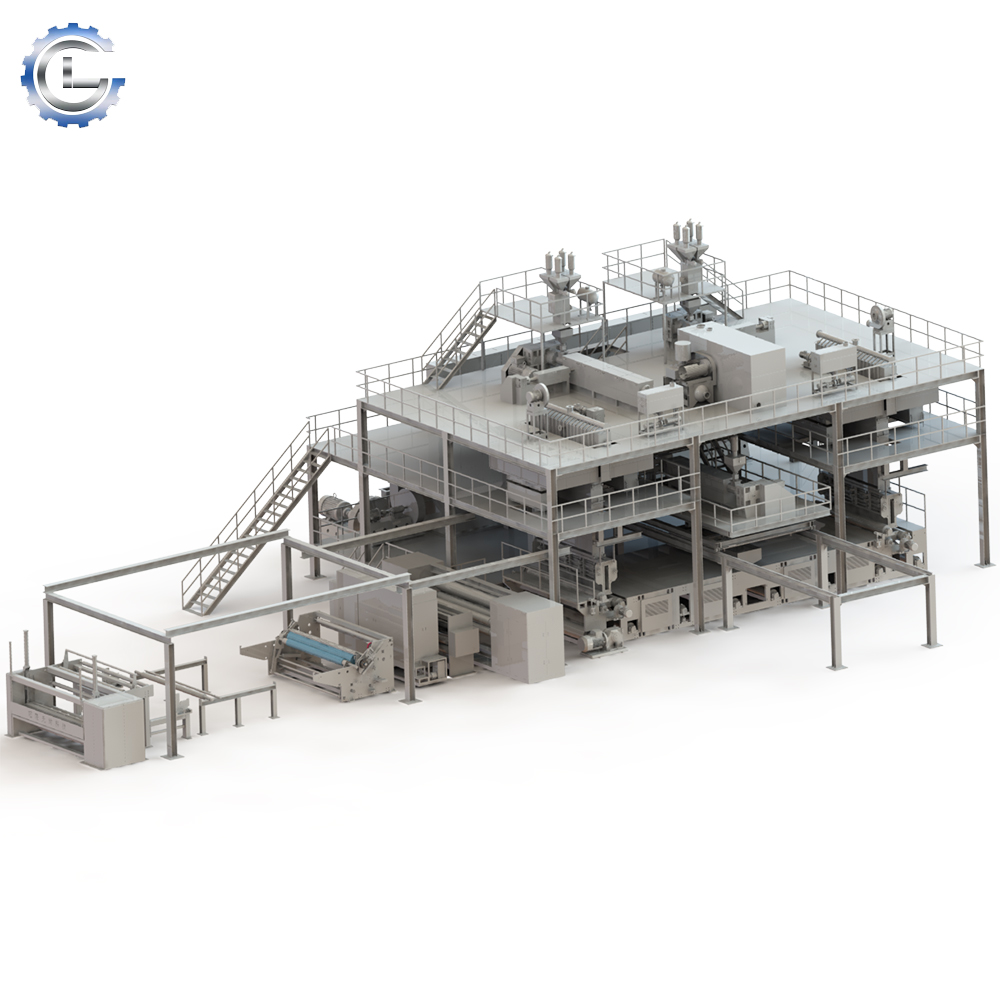
Understanding Recycled PET
What Is Recycled PET?
Recycled PET is derived from post-consumer or post-industrial PET materials, such as bottles, packaging films, or industrial scraps. These materials are cleaned, shredded, and re-extruded into pellets suitable for fiber production. Recycled PET offers significant environmental benefits by reducing landfill waste and conserving raw materials.
Key Properties of rPET
The performance of recycled PET can vary depending on the source and recycling process. Important properties for nonwoven production include:
- Melt flow index (MFI): Determines the ease of extrusion for spunbond lines.
- Molecular weight: Affects fiber strength and elongation.
- Moisture content: High moisture can cause fiber defects or processing instability.
- Color consistency: Important for uniform fabric appearance.
Properly processed rPET with controlled quality parameters can be used in nonwoven production without sacrificing performance.
Feasibility in Spunbond Lines
Adapting Spunbond Nonwoven Machines
Spunbond lines require precise extrusion and fiber drawing conditions. Recycled PET typically has slightly lower molecular weight than virgin PET, which may affect filament strength. To adapt:
- Adjust extrusion temperature and speed to accommodate rPET flow properties.
- Monitor fiber stretching and orientation to maintain tensile strength.
- Use advanced spunbond nonwoven fabric making machines designed to handle material variability.
With proper adjustments, rPET can be spun into continuous filaments suitable for medical, hygiene, or industrial nonwovens.
Performance Considerations
- Fabrics may require slightly higher bonding temperatures to achieve optimal web consolidation.
- Uniformity in fiber diameter is crucial for mechanical strength and fabric appearance.
- rPET spunbond fabrics are suitable for lightweight to medium-weight applications such as protective garments, masks, and packaging.
Feasibility in Needle-Punch Lines
Needle-Punch Process Overview
Needle-punch nonwoven lines create fabrics by mechanically interlocking fibers using barbed needles. This process can accommodate a wide range of fiber types, including recycled materials.
- rPET fibers can be used either as a primary fiber or blended with virgin PET to improve mechanical properties.
- Needle-punching does not require high filament continuity, making it more forgiving than spunbond lines.
Performance Optimization
- Control fiber length to prevent fiber breakage or mat inconsistency.
- Blend rPET with virgin PET to achieve desired tensile strength and thickness.
- Maintain consistent moisture and thermal conditions during carding, web formation, and needling.
Needle-punch nonwoven fabrics made with rPET are commonly used in geotextiles, filtration media, and automotive interiors.
Benefits of Using rPET
Environmental Impact
- Reduces plastic waste by reusing post-consumer materials.
- Lowers carbon footprint compared to virgin PET production.
- Supports corporate sustainability initiatives and compliance with environmental regulations.
Cost Advantages
- Recycled PET is typically less expensive than virgin PET.
- Reduced raw material costs contribute to lower production expenses, particularly for high-volume applications.
Technical Flexibility
- rPET can be blended with virgin PET to tailor fiber properties.
- Compatible with both spunbond and needle-punch lines when machinery is properly calibrated.
Equipment and Processing Considerations
Key Machine Adjustments
- Monitor extrusion temperatures and screw speed to compensate for rPET variability.
- Ensure advanced spunbond nonwoven machines or non woven fabric machines have precise tension and speed control.
- Implement moisture control systems to avoid filament defects or fiber entanglement.
Quality Control Measures
- Conduct regular tests for tensile strength, elongation, and fiber diameter.
- Maintain consistent web formation and thermal bonding conditions.
- Blend ratios should be optimized for end-use requirements.
Industrial Applications
Spunbond Fabrics
- Medical and hygiene products: Masks, surgical gowns, wipes
- Disposable packaging: Bags, pouches, and liners
- Agricultural fabrics: Crop covers and protection sheets
Needle-Punch Fabrics
- Geotextiles: Soil stabilization, erosion control, drainage mats
- Industrial filtration: Air and liquid filters
- Automotive: Insulation, carpeting, trunk liners
| Application Type | rPET Suitability | Notes |
|---|---|---|
| Spunbond | Medium | Best for lightweight and disposable fabrics |
| Needle-Punch | High | Can handle heavier, industrial-grade applications |
Operational Tips for Using rPET
- Blend with virgin PET for applications requiring high mechanical strength.
- Pre-dry rPET pellets to maintain extrusion stability.
- Adjust bonding and calendering parameters to achieve uniform fabric quality.
- Perform regular equipment maintenance to prevent fiber contamination and ensure consistent output.
For expert guidance on configuring your production lines for recycled PET, contact our team for tailored support and technical recommendations.
FAQ
1. Can 100% recycled PET be used in spunbond lines?
Yes, but careful control of extrusion, temperature, and filament drawing is required to maintain fiber strength and uniformity. Many manufacturers prefer blending with virgin PET for high-performance applications.
2. Does rPET affect needle-punch fabric quality?
Recycled PET can be used effectively, particularly in needle-punch lines. Blending with virgin PET can enhance mechanical properties if needed.
3. Are there environmental benefits to using rPET?
Yes, using recycled PET reduces plastic waste, lowers carbon footprint, and supports sustainability initiatives.
4. Does machinery need modification to process rPET?
Machines must be calibrated for extrusion temperatures, tension control, and moisture levels to handle recycled PET effectively.
About Guanlong
Guanlong is a leading non woven fabric machine manufacturer specializing in high-performance spunbond and needle-punch nonwoven machinery. Our spunbond nonwoven fabric making machine and spunbond nonwoven machine are engineered to handle both virgin and recycled PET materials with precision, consistency, and efficiency. Guanlong supports industrial clients worldwide with reliable, customizable solutions for sustainable nonwoven production, combining environmental responsibility with high operational performance.
References
- Polyethylene Terephthalate – Wikipedia
https://en.wikipedia.org/wiki/Polyethylene_terephthalate - Recycled Plastics in Nonwoven Production – ScienceDirect
https://www.sciencedirect.com/topics/engineering/recycled-polymer-nonwoven - Spunbond Technology – Wikipedia
https://en.wikipedia.org/wiki/Spunbond - Needle-Punch Nonwoven Fabrics – Textile Learner
https://www.textilelearner.net/needle-punched-nonwoven-fabric/