Aug 22, 2026 | News
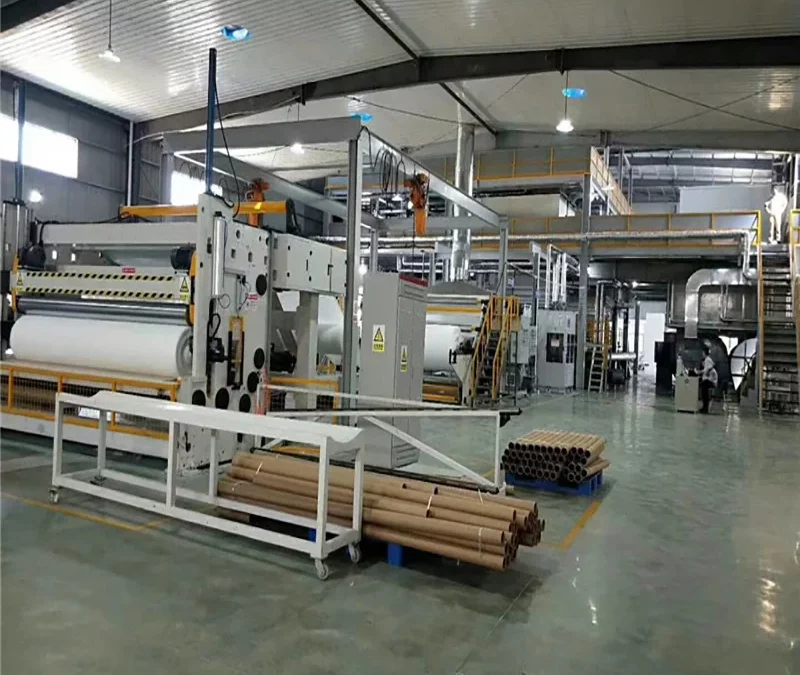
Melt blowing is a sophisticated manufacturing process that converts thermoplastic polymers into fine, fibrous non-woven webs. It functions by extruding molten polymer through specialized die assemblies. High-velocity hot air then attenuates these fibers into... 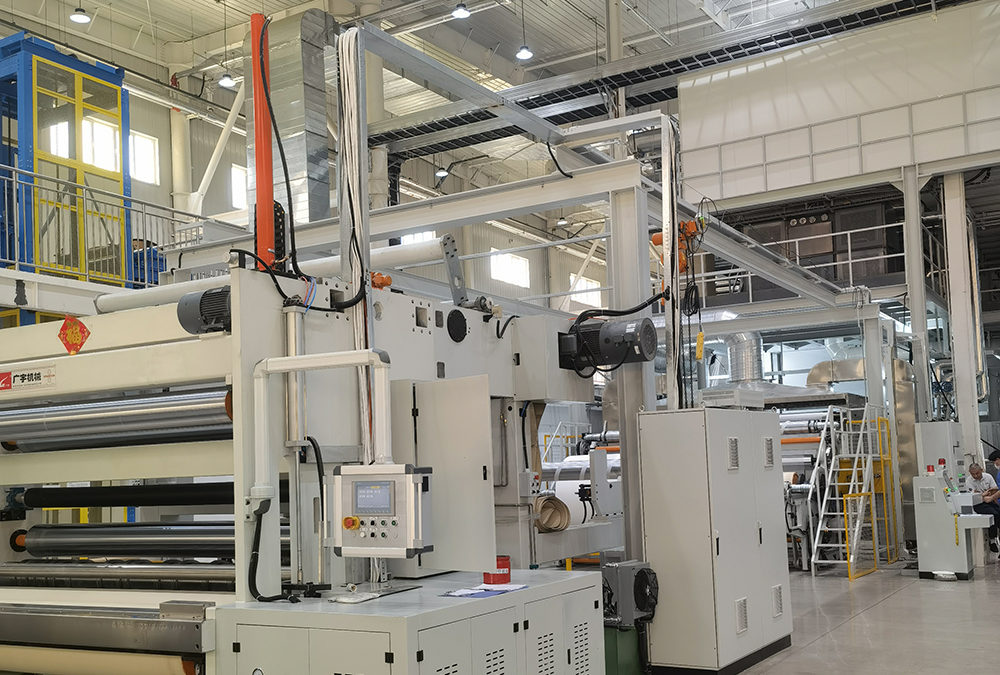
Jul 6, 2026 | News
Entering the technical textiles industry requires balancing significant initial capital investment with future production flexibility. For textile entrepreneurs, medical supply startups, and packaging manufacturers, finding accessible entry points into fabric... 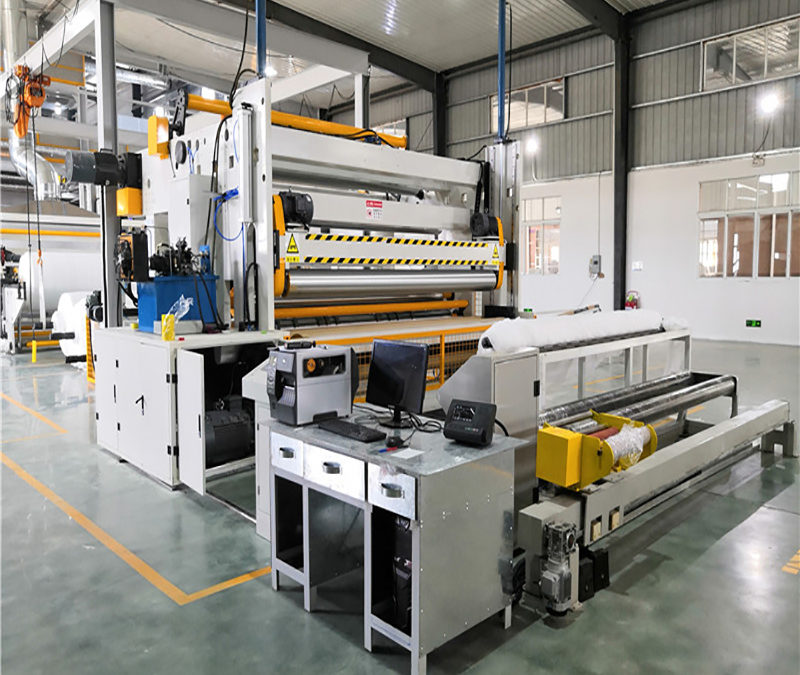
Jun 24, 2026 | News
Evaluating the financial viability of new industrial production assets requires a granular analysis of capital expenditure, operational efficiency, and market demand dynamics. To clearly address what is the ROI for small vs. large nonwoven lines?, manufacturers must... 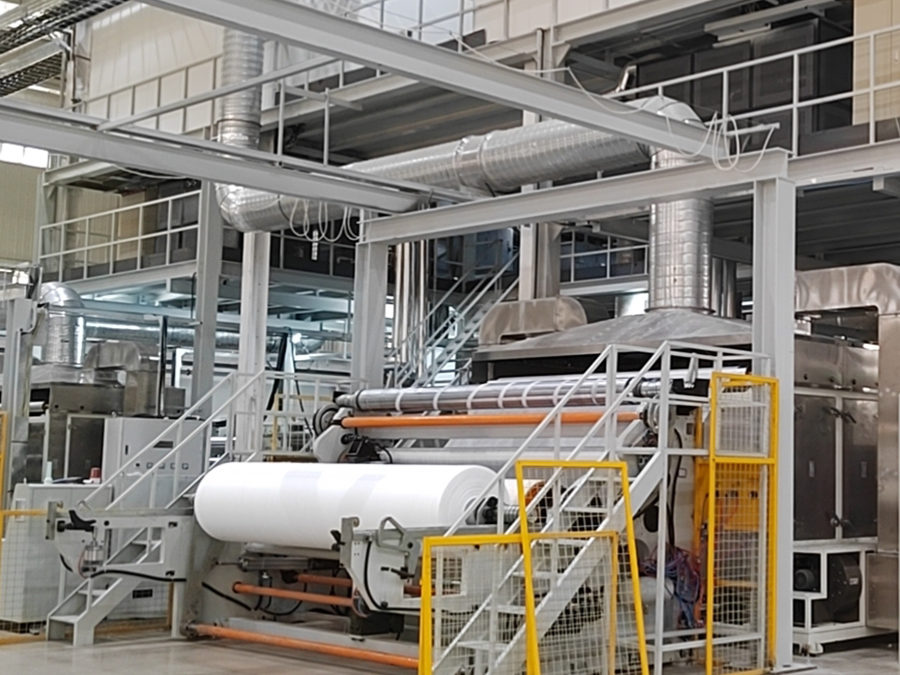
May 29, 2026 | News
Choosing the right machinery for high-temperature or heavy-duty nonwoven applications depends on thermal stability, mechanical strength, and long-term production consistency. The correct system must maintain stable fiber formation under extreme processing conditions... 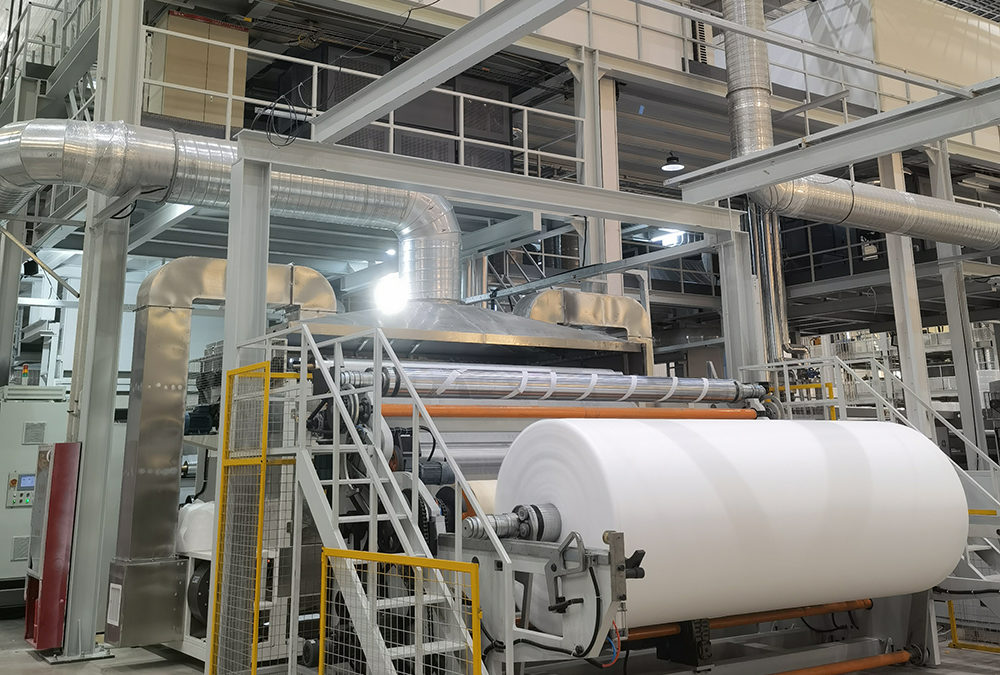
May 22, 2026 | News
Industrial and automotive nonwovens are widely used in applications such as automotive interiors, filtration, insulation, and protective fabrics. But which machines are essential to produce these nonwovens efficiently and at high quality? Producing nonwoven fabrics... 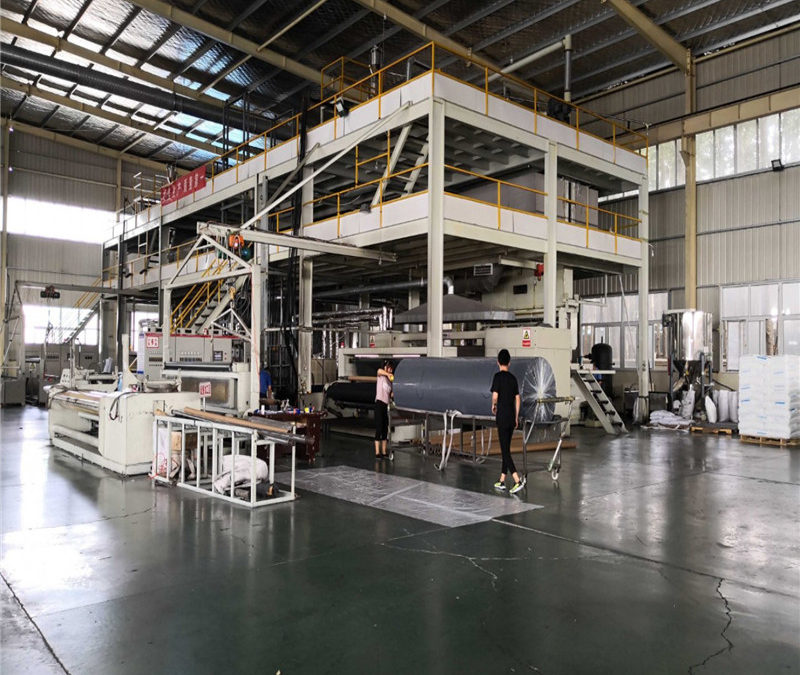
Mar 12, 2026 | News
Nonwoven machinery plays a pivotal role in producing high‑performance materials used in hygiene products, medical textiles, filters, geotextiles, and more. A key question for decision‑makers is: What are the common problems in nonwoven machinery and how to fix them?...