
News
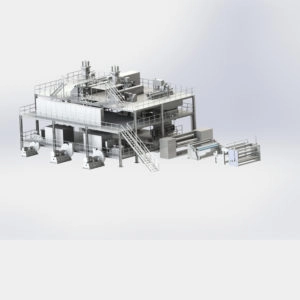
What is SMS Nonwoven Fabric?
SMS nonwoven fabric is a versatile material used in various industries due to its strength, durability, and excellent barrier properties. This fabric combines two different types of polypropylene technology: spunbond and meltblown. The result is a three-layer fabric...
Why PP Spunbond Machines Are The Best Choice For Fabric Making?
A PP spunbond nonwoven fabric making machine is an essential tool for producing high-quality nonwoven fabrics from polypropylene. These fabrics are widely used in diverse industries due to their strength, durability, and versatility. Let's explore the key aspects of...
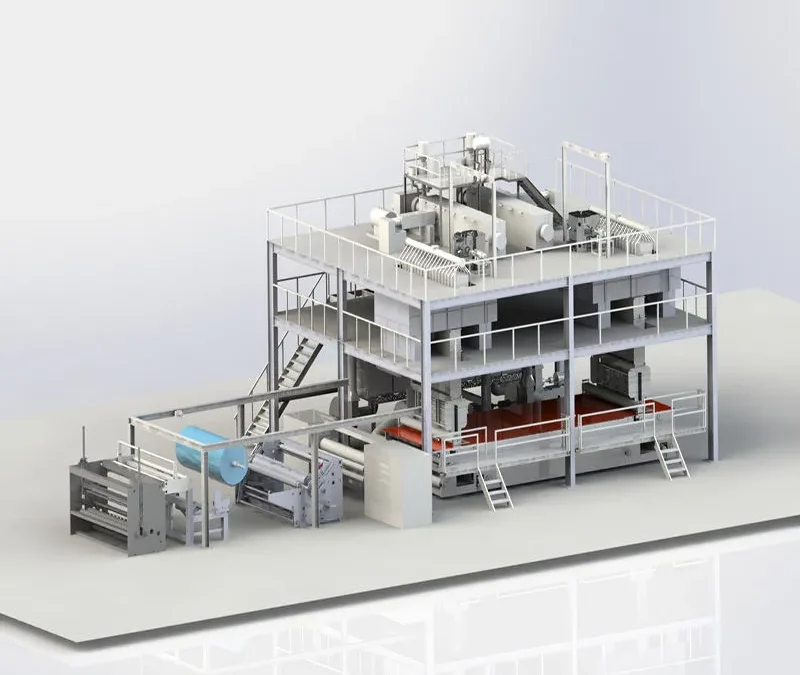
Is Your Nonwoven Fabric Production Efficient Enough?
Are you looking for the best nonwoven fabric machine for your business? The right choice could make a huge difference in your production efficiency and product quality. Nonwoven machines, such as the PP SS Spunbond Machine, are essential for creating high-quality...
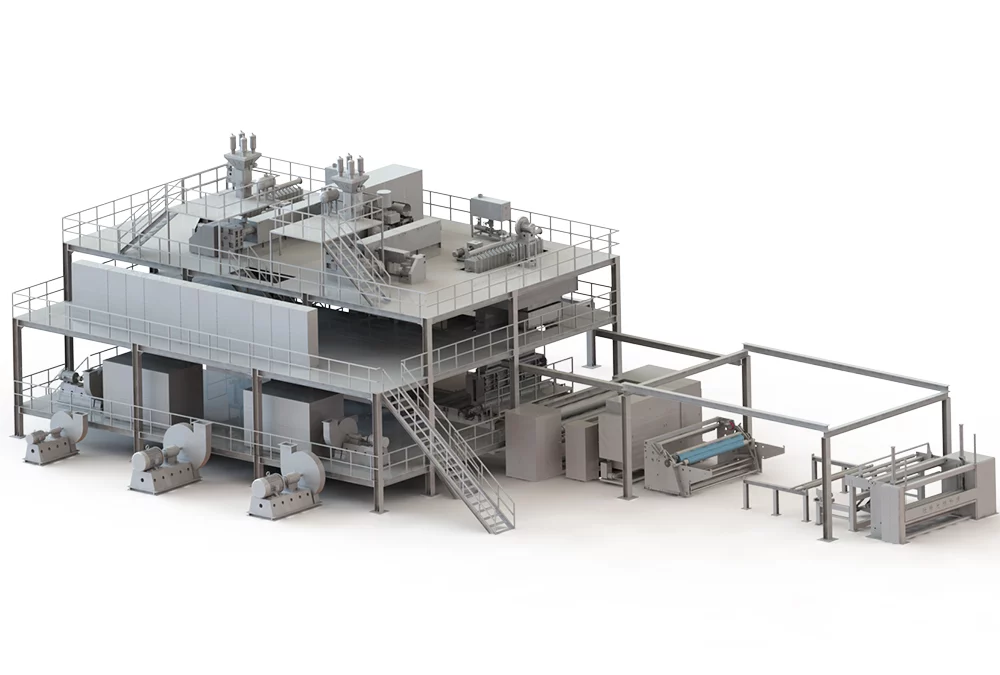
Nonwoven Machinery Manufacturer: Why Choose High-Quality S Nonwoven Fabric Machines?
Are you searching for a reliable nonwoven machinery manufacturer to enhance your fabric production? The fabric making machine market is vast, with numerous options available. This article explores the standout features of high-quality S Nonwoven Machinery, ensuring...
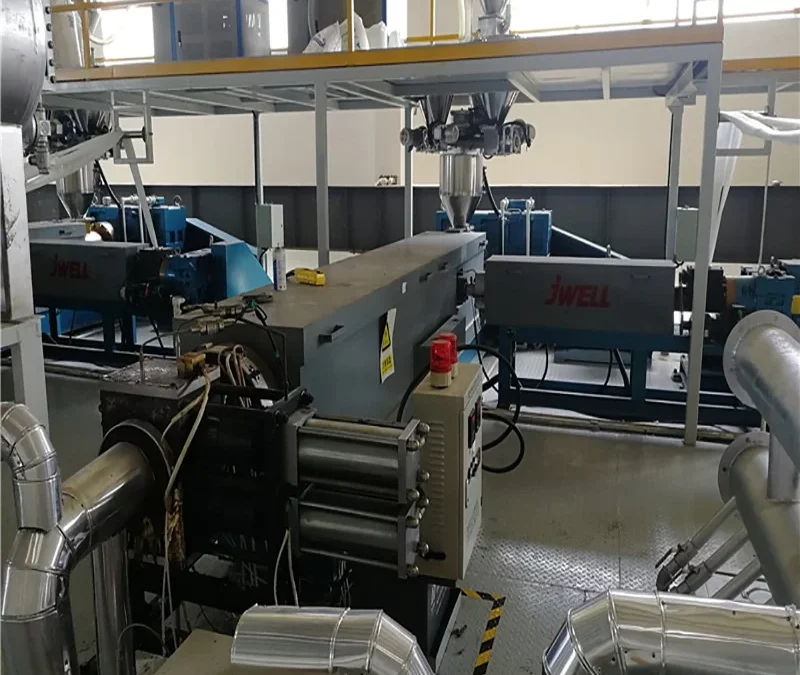
What Is the Process of Melt Blown Fabric?
Melt blown fabric has gained significant attention in recent years, particularly due to its crucial role in producing high-quality filtration materials, medical supplies and various other applications. This unique nonwoven fabric is created using a specialized process...
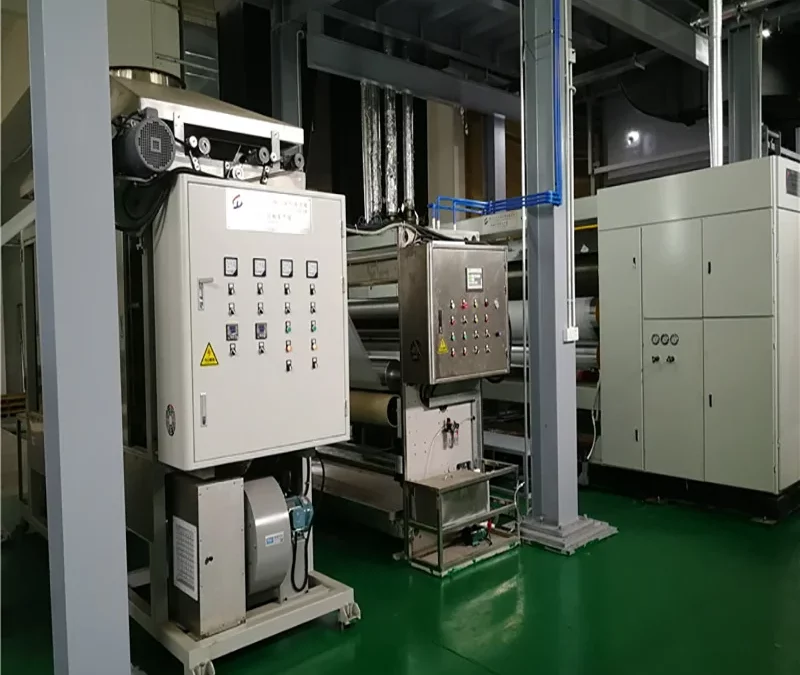
The Importance of Nonwoven Fabric Machines
In the realm of textiles, nonwoven fabrics have carved out a significant niche due to their unique properties and versatile applications. Among the various methods of producing nonwoven fabrics, meltblown technology stands out, particularly for its ability to create...
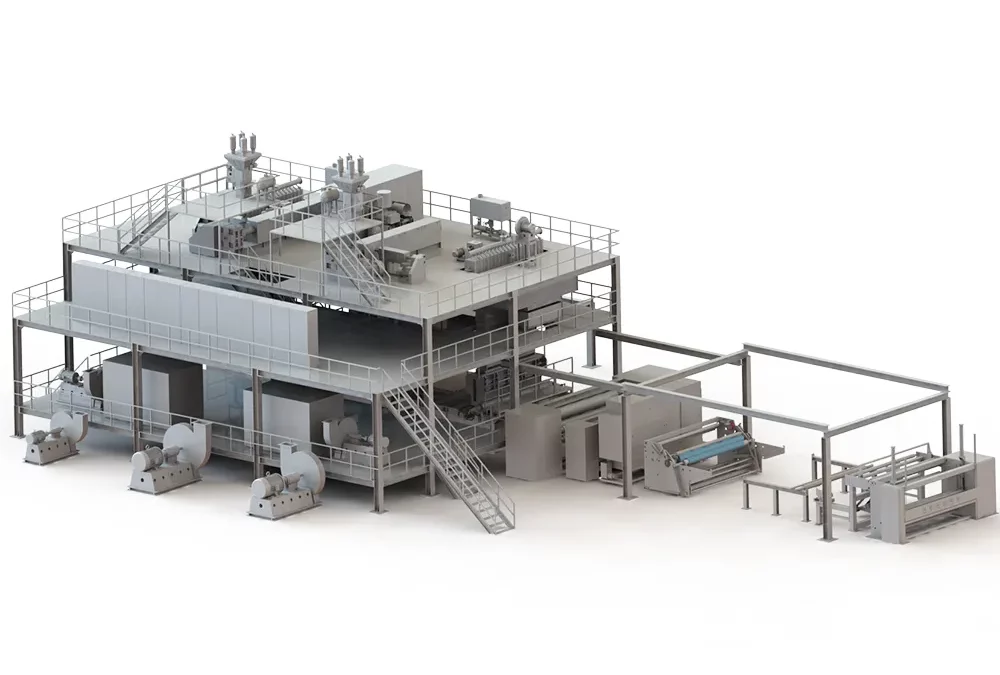
What’s the Difference Between Nonwoven Machines?
When exploring nonwoven machines, it's essential to understand the various types available, such as nonwoven fabric machine and fabric making machine. These machines play a critical role in the production of nonwoven materials, widely used across industries from...
Meltblown Nonwoven Fabric Machine: Key Differences Compared to Other Options
If you're searching for high-efficiency manufacturing solutions, the meltblown nonwoven fabric machine stands out as an essential tool for creating nonwoven fabrics. But how does it differ from other nonwoven machinery, and why should you choose this solution?...
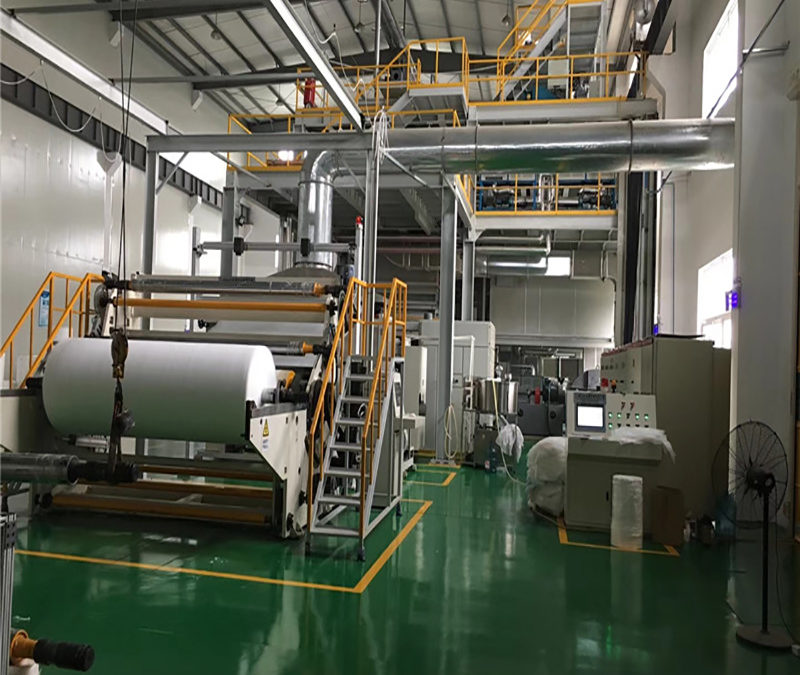
How Many Benefits Of Meltblown Machine Nonwoven Fabric Production
Meltblown machine nonwoven fabric represents a paradigm shift in textile technology, offering unparalleled versatility, performance, and sustainability in the production of nonwoven materials. Explore the features and applications of meltblown nonwoven fabrics, and...
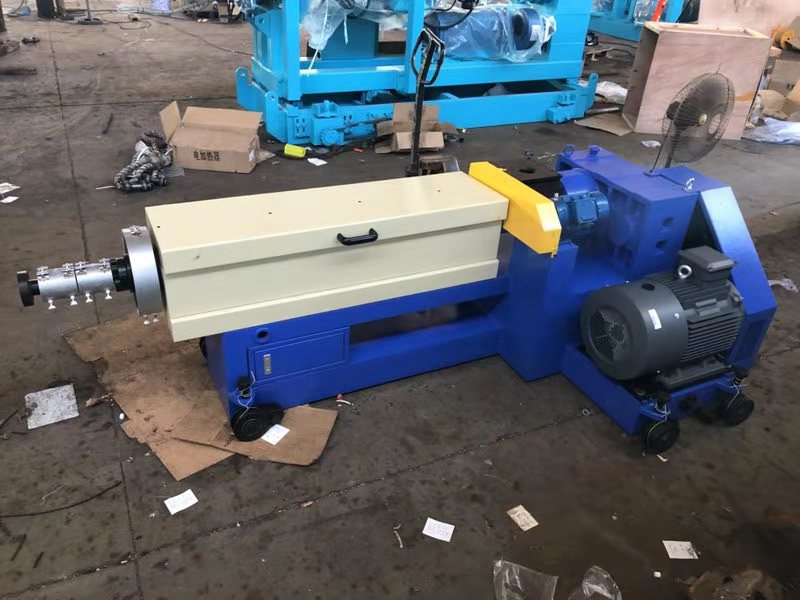
Top 5 Features Of Non-Woven Fabric Machines and Equipment
Introduction:Welcome to the epitome of luxury and innovation in the textile industry, where non woven fabric machines and equipment reign supreme. As we delve into the realm of non-woven technology, we explore the wonders of these advanced machines that revolutionize...