
Why Quality Control Is the Core Competitive Advantage in Nonwoven Manufacturing
Quality control in nonwoven manufacturing has evolved from a basic inspection task into a strategic capability that directly influences market competitiveness. For B2B buyers sourcing nonwoven materials for medical, hygiene, filtration, industrial, or packaging applications, product consistency and regulatory compliance are often more important than unit price. Because nonwoven fabrics are process-driven rather than yarn-driven, variations in temperature, airflow, polymer melt behavior, or bonding conditions can quickly lead to unstable fabric performance. A structured quality control system helps manufacturers reduce batch-to-batch variation, improve production predictability, and build long-term trust with distributors, OEM customers, and brand owners.
Raw Material Inspection and Process Stability as the Quality Foundation
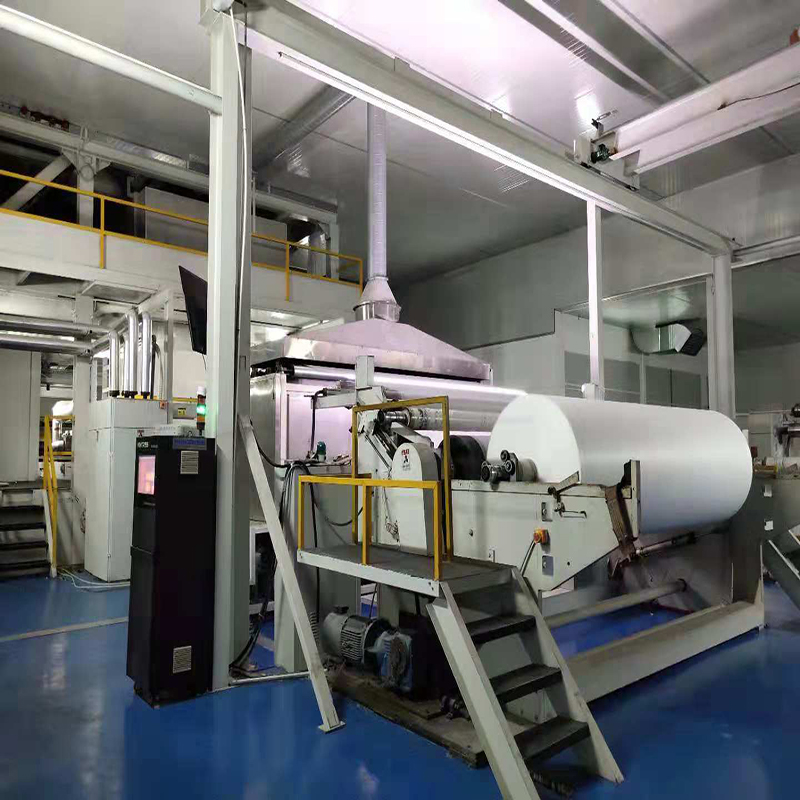
High-level quality control in nonwoven manufacturing begins with strict raw material inspection and process stability management. Polymer resin quality, melt flow index consistency, moisture content, and additive dispersion directly affect fiber formation and web uniformity. In meltblown production, for example, unstable raw materials can cause fluctuations in fiber diameter and filtration efficiency, which is why factories operating advanced meltblown machine nonwoven fabric lines emphasize supplier qualification, batch traceability, and pre-production testing. Once production starts, maintaining stable process parameters such as temperature zones, air pressure, die-to-collector distance, and line speed becomes critical to preventing quality drift and minimizing material waste.
In-Line Testing and Data-Driven Quality Monitoring
Modern nonwoven factories are increasingly shifting quality control from post-production inspection to real-time, in-line monitoring. Sensors and testing systems integrated into the production line can continuously measure basis weight, thickness, fiber distribution, and mechanical strength, allowing operators to identify deviations before defects accumulate. This data-driven approach not only reduces scrap rates but also strengthens traceability, enabling manufacturers to link each fabric roll to specific production parameters and material batches. Advanced production solutions such as a fabric making machine with automated control systems make it easier for factories to standardize quality across different shifts, operators, and order volumes while meeting increasingly strict customer expectations.
Compliance, Certification, and Customer-Specific Quality Requirements
Quality control in nonwoven manufacturing is closely tied to compliance with international standards and customer-defined specifications. Medical and hygiene applications require strict control over cleanliness, barrier performance, and material safety, while filtration and industrial uses demand verified functional performance and long-term durability. Beyond ISO-based quality management systems, many B2B customers impose their own acceptance criteria for properties such as GSM tolerance, elongation, and bonding strength. Manufacturers with flexible and well-documented quality control processes can respond more efficiently to audits, certifications, and customized requirements, positioning themselves as reliable long-term suppliers rather than short-term price-driven vendors.
Cost Reduction Through Preventive Quality Control
Contrary to common assumptions, effective quality control does not increase production costs; instead, it reduces them through prevention. By stabilizing processes, standardizing machine parameters, and training operators to understand key quality indicators, manufacturers can significantly lower rework rates, downtime, and customer complaints. Preventive quality control also supports scalability, enabling factories to expand capacity or increase output without sacrificing consistency. For B2B buyers, this translates into reliable supply, predictable quality, and lower total procurement risk across long-term partnerships.
About Guanlong
At Guanlong, we believe that quality control in nonwoven manufacturing should be embedded into the production process, not added as an afterthought. As a professional nonwoven machinery manufacturer and exporter, Guanlong focuses on delivering equipment solutions that support stable operation, precise control, and consistent fabric performance. Our machinery is designed to help nonwoven manufacturers reduce waste, improve efficiency, and meet international quality and compliance requirements, enabling our global B2B customers to strengthen their competitiveness and build sustainable growth in demanding markets.