
Understanding what are the different types of nonwoven machinery is essential for manufacturers looking to produce high-quality nonwoven fabrics efficiently. Nonwoven machinery is designed to convert fibers into fabrics without weaving or knitting, using various technologies to meet specific industry requirements. Choosing the right type of machine impacts production speed, fabric quality, and overall operational costs.
Nonwoven machinery is widely used in hygiene products, medical supplies, industrial applications, packaging, and construction materials. By exploring the different machine types, businesses can select solutions tailored to their production goals.
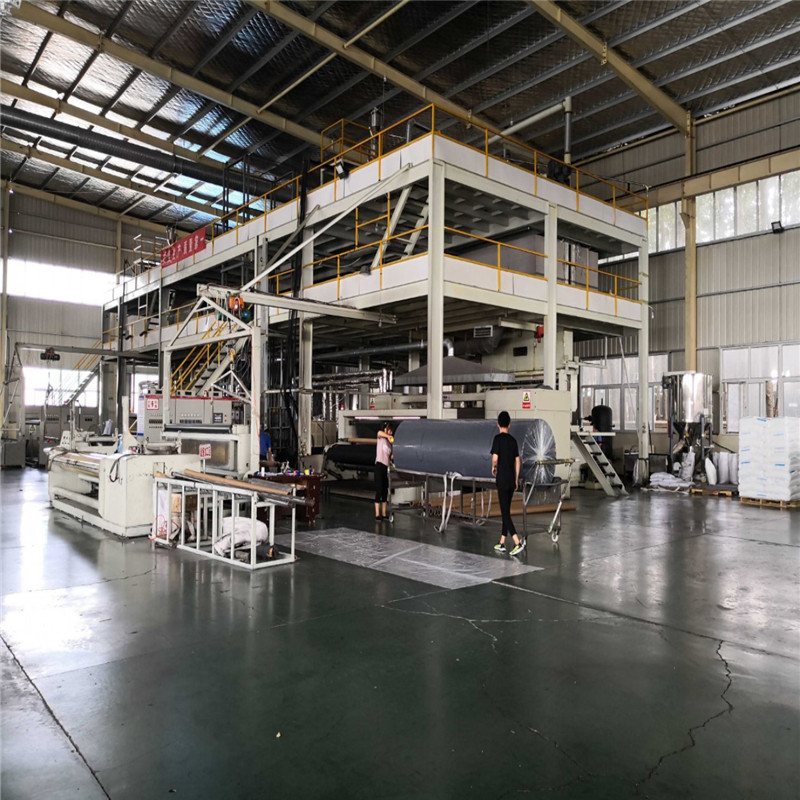
Spunbond Nonwoven Machines
Spunbond technology involves extruding continuous filaments and forming them into a web, which is then bonded thermally or chemically. This method produces strong, durable, and lightweight fabrics suitable for hygiene products, medical masks, agricultural covers, and packaging.
For high-efficiency production, manufacturers often rely on the spun bond non woven fabric making machine, which offers:
- Continuous high-speed production
- Uniform fabric thickness
- Low maintenance requirements
- Versatility in polypropylene (PP) and polyester (PET) materials
This type of machinery is ideal for enterprises aiming for consistent quality in high-volume output.
Meltblown Nonwoven Machines
Meltblown machines are specialized for producing ultra-fine fiber fabrics. These fabrics are soft, lightweight, and provide excellent filtration, making them indispensable for medical and hygiene applications like surgical masks and protective clothing.
Key features of meltblown machinery include:
- Fiber diameters as low as 1–5 microns
- High surface area for filtration
- Compatibility with PP materials for disposable products
Meltblown lines are often combined with spunbond layers to create SSMMS or SMS multi-layered fabrics, enhancing filtration and strength.
Needle Punching Machines
Needle punching is a mechanical bonding method that entangles fibers using barbed needles. This produces nonwoven fabrics with excellent tensile strength and durability. Applications include automotive interiors, geotextiles, carpets, and industrial filters.
Benefits of needle punching machinery:
- Suitable for both natural and synthetic fibers
- Adjustable fabric density and thickness
- Ideal for heavy-duty and reusable products
Manufacturers aiming for industrial-grade nonwoven fabrics often integrate needle punching systems into their production lines.
Hydroentanglement and Spunlace Machines
Hydroentanglement, or spunlace, uses high-pressure water jets to entangle fibers, producing soft, drapable, and absorbent fabrics. These machines are popular for wipes, medical fabrics, and personal care products.
Advantages include:
- Soft hand feel suitable for hygiene and medical products
- High absorbency without chemical bonding
- Environmentally friendly process with minimal additives
The flexibility of spunlace machines allows manufacturers to produce premium fabrics for specialized markets.
Thermobonding and Calendaring Machines
Thermobonding machines fuse fibers using heat and pressure, providing uniformity and strength to nonwoven fabrics. Calendaring machines further smooth and emboss the fabric for aesthetic or functional properties.
Applications include:
- Wadding and insulation
- Disposable beddings and covers
- Decorative nonwoven fabrics
By integrating thermobonding and calendaring, manufacturers achieve enhanced appearance, thickness consistency, and durability.
Nonwoven Machinery Comparison Table
| Machine Type | Key Features | Applications | Advantages |
|---|---|---|---|
| Spunbond | Continuous filaments, thermal bonding | Hygiene, medical, packaging | High strength, lightweight |
| Meltblown | Fine fiber web, filtration | Masks, medical, filters | High filtration, soft fabric |
| Needle Punching | Mechanical entanglement | Automotive, geotextiles, carpets | Durable, heavy-duty |
| Hydroentanglement (Spunlace) | Water jet entanglement | Wipes, medical, personal care | Soft, absorbent, chemical-free |
| Thermobonding & Calendaring | Heat fusion, embossing | Wadding, insulation, decorative | Uniform, durable, aesthetic |
This table allows manufacturers to quickly compare features, applications, and benefits of each type of nonwoven machinery.
Maintenance and Operational Tips
Maintaining nonwoven machinery ensures consistent fabric quality and reduces downtime:
- Routine inspection of rollers, nozzles, and belts
- Lubrication of moving parts to prevent wear
- Cleaning to avoid fiber accumulation
- Software updates for automated or intelligent systems
Proper maintenance extends machine lifespan and ensures stable production for demanding markets.
Frequently Asked Questions (FAQ)
1. Can a single nonwoven machine produce multiple types of fabrics?
Yes, some advanced lines allow integration of spunbond, meltblown, and needle punching processes for multi-layered fabrics.
2. What is the difference between PP and PET nonwoven machines?
PP machines typically produce disposable fabrics for hygiene products, while PET machines are more suitable for reusable or industrial fabrics.
3. How do I choose the right machine capacity?
Consider your target production volume, product type, and market demand. Machine specifications often include fabric width, weight range, and speed.
4. Are automated nonwoven machinery lines worth the investment?
Yes, automation improves efficiency, reduces material waste, and ensures consistent fabric quality.
5. Where can I source high-quality nonwoven machinery?
Manufacturers can find reliable equipment, such as spunbond nonwoven fabric make machine, from experienced suppliers with proven track records.
About Guanlong
Guanlong is a leading provider of nonwoven machinery, specializing in PP and PET lines for industrial, medical, and hygiene applications. Our machines, including spunbond, meltblown, and needle punching systems, are engineered for efficiency, reliability, and high-quality output. We provide complete solutions for manufacturers aiming to meet market demands with precision and consistency. Partner with Guanlong to enhance production capabilities and achieve long-term operational success.