
News
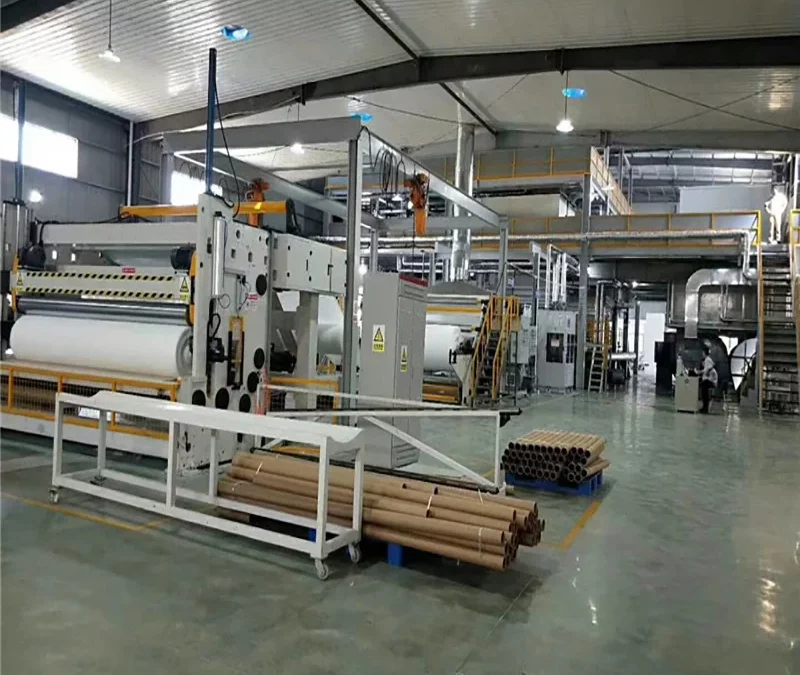
How Does Melt Blowing Technology Enable the Production of High-Performance Filter Media?
Melt blowing is a sophisticated manufacturing process that converts thermoplastic polymers into fine, fibrous non-woven webs. It functions by extruding molten polymer through specialized die assemblies. High-velocity hot air then attenuates these fibers into...
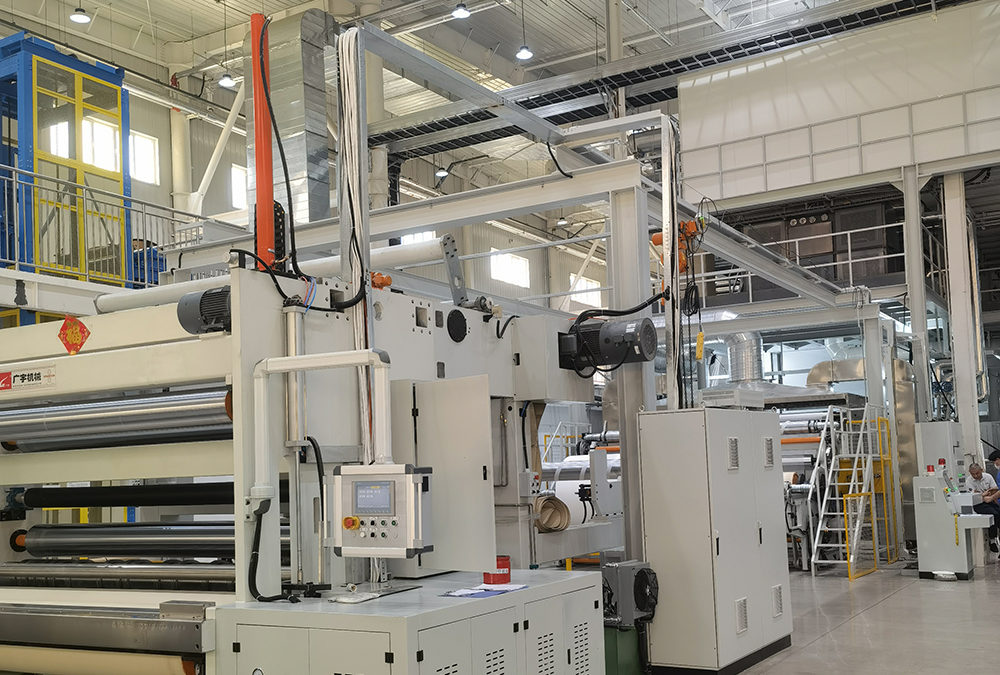
Are There Low-Cost or Modular Nonwoven Machines for Startups to Launch Profitably?
Entering the technical textiles industry requires balancing significant initial capital investment with future production flexibility. For textile entrepreneurs, medical supply startups, and packaging manufacturers, finding accessible entry points into fabric...
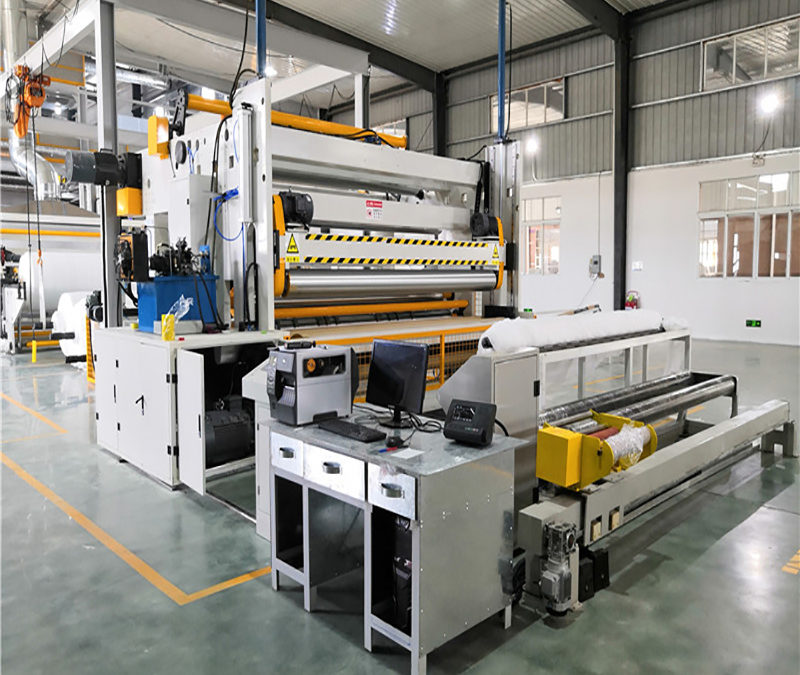
What Is the ROI for Small vs. Large Nonwoven Lines in Commercial Production?
Evaluating the financial viability of new industrial production assets requires a granular analysis of capital expenditure, operational efficiency, and market demand dynamics. To clearly address what is the ROI for small vs. large nonwoven lines?, manufacturers must...
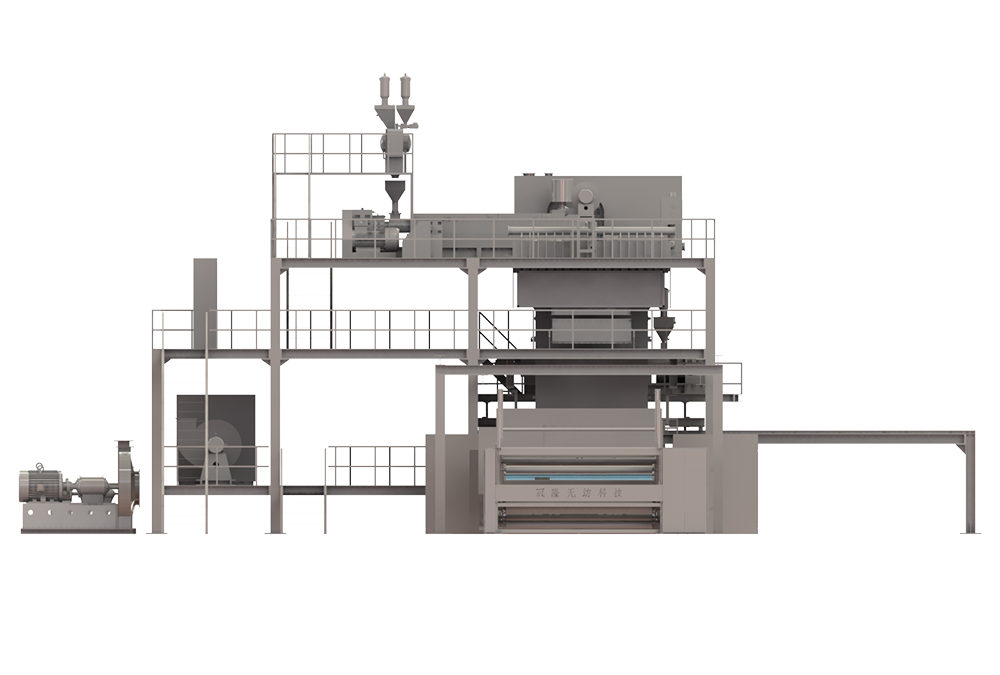
How Much Does a Nonwoven Production Line Cost and What Factors Really Determine the Investment?
The cost of a nonwoven production line typically ranges from several hundred thousand USD to several million USD depending on production capacity, automation level, raw material compatibility, and machine configuration. There is no single fixed price because every...
How Does Full-Line Testing Improve Corn Puffed Snacks Production Efficiency Before Shipment?
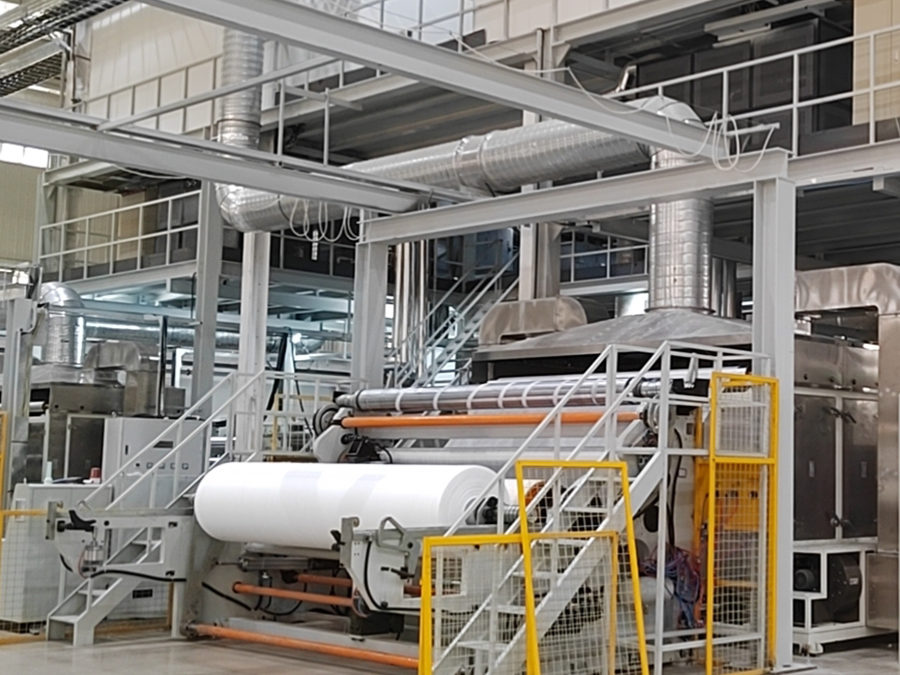
Choosing the right machinery for high-temperature or heavy-duty nonwoven applications depends on thermal stability, mechanical strength, and long-term production consistency. The correct system must maintain stable fiber formation under extreme processing conditions...
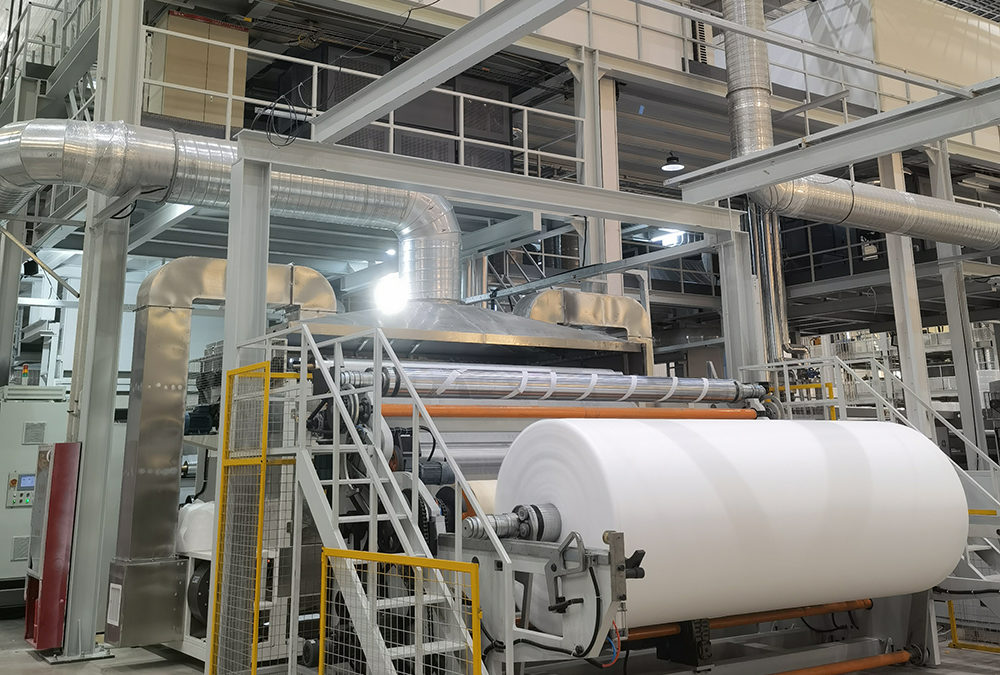
Which Machines Are Used for Industrial or Automotive Nonwovens?
Industrial and automotive nonwovens are widely used in applications such as automotive interiors, filtration, insulation, and protective fabrics. But which machines are essential to produce these nonwovens efficiently and at high quality? Producing nonwoven fabrics...
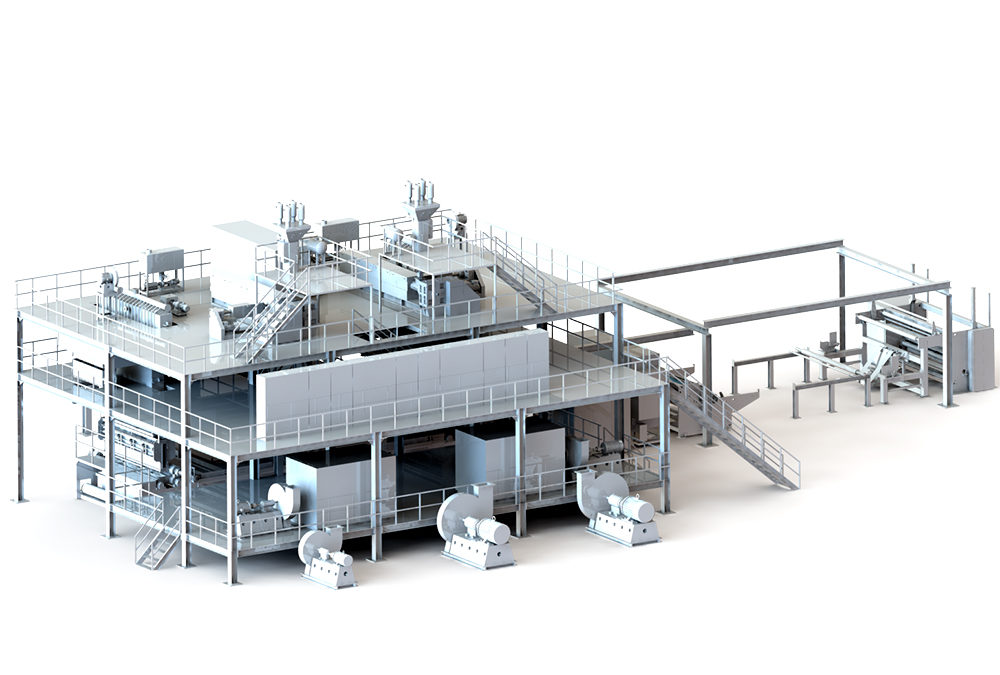
What Nonwoven Machinery Is Suitable for Hygiene Products?
For companies venturing into hygiene product manufacturing, a critical question arises: What nonwoven machinery is suitable for hygiene products such as diapers, wipes, sanitary napkins, and masks? The answer hinges on the type of nonwoven material required,...
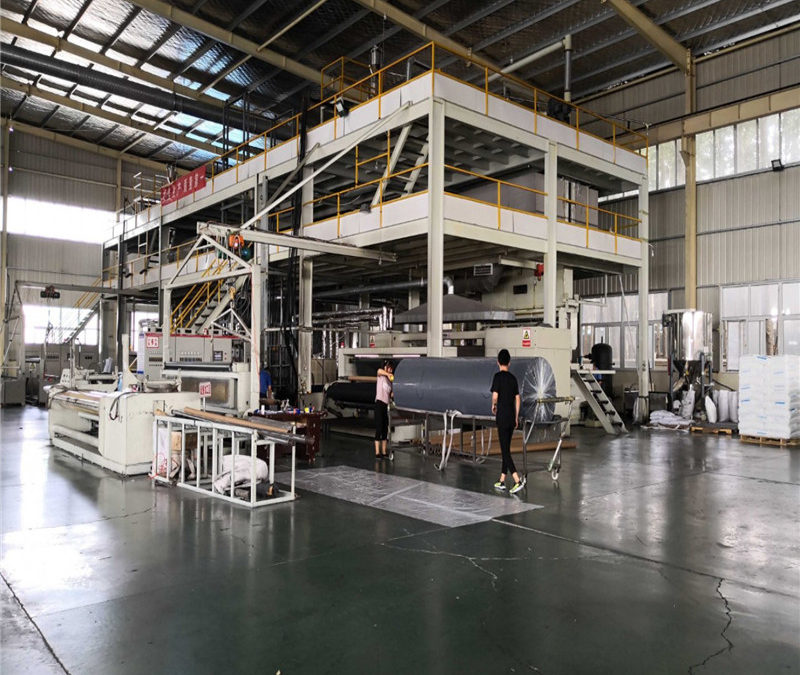
What Are the Common Problems in Nonwoven Machinery and How to Fix Them?
Nonwoven machinery plays a pivotal role in producing high‑performance materials used in hygiene products, medical textiles, filters, geotextiles, and more. A key question for decision‑makers is: What are the common problems in nonwoven machinery and how to fix them?...
How to Maintain a Nonwoven Machine for Long-Term Operation
For any manufacturer or distributor in the nonwoven fabric industry, understanding how to maintain a nonwoven machine for long-term operation is essential. Proper maintenance not only extends the life of your equipment but also ensures consistent fabric quality and...
How to Optimize Material Usage and Reduce Waste in Nonwoven Production for Maximum ROI?
How to optimize material usage and reduce waste in nonwoven production is not simply a technical adjustment, it is a strategic decision that directly impacts profitability, product consistency, and long term competitiveness. The answer lies in combining precise...